Publicaciones
Esta sección incluye una lista de los últimos artículos científicos del IPNA publicados en revistas incluidas en el Science Citation Index (SCI).
En DIGITAL.CSIC, repositorio institucional del CSIC, pueden encontrar el listado completo de artículos científicos desde 1962, así como otras colecciones de interés como congresos, tesis, libros, material divulgativo, etc. del centro. El objetivo de DIGITAL.CSIC es organizar, preservar y difundir en acceso abierto los resultados de nuestra investigación.
En el repositorio institucional del CSIC, pueden encontrar el listado completo de artículos científicos, así como otras colecciones de interés como congresos, tesis, libros, material divulgativo, etc.
Análisis de la Producción Científica del IPNA 2014-2019: análisis bibliométrico realizado a partir de datos recogidos en Scopus y Web of Science.

Time-calibrated phylogenies reveal mediterranean and pre-mediterranean origin of the thermophilous vegetation of the Canary Islands
Background and Aims
The Canary Islands have strong floristic affinities with the Mediterranean Basin. One of the most characteristic and diverse vegetation belts of the archipelago is the thermophilous woodland (between 200 and 900 m.a.s.l.). This thermophilous plant community consists of many non-endemic species shared with the Mediterranean Floristic Region together with Canarian endemic species. Consequently, phytogeographic studies have historically proposed the hypothesis of an origin of the Canarian thermophilous species following the establishment of the summer-dry mediterranean climate in the Mediterranean Basin around 2.8 million years ago.
Methods
Time-calibrated phylogenies for 39 plant groups including Canarian thermophilous species were primarily analysed to infer colonization times. In particular, we used 26 previously published phylogenies together with 13 new time-calibrated phylogenies (including newly generated plastid and nuclear DNA sequence data) to assess whether the time interval between stem and crown ages of Canarian thermophilous lineages postdates 2.8 Ma. For lineages postdating this time threshold, we additionally conducted ancestral area reconstructions to infer the potential source area for colonization.
Key Results
A total of 43 Canarian thermophilous lineages were identified from 39 plant groups. Both mediterranean (16) and pre-mediterranean (9) plant lineages were found. However, we failed to determine the temporal origin for 18 lineages because a stem–crown time interval overlaps with the 2.8-Ma threshold. The spatial origin of thermophilous lineages was also heterogeneous, including ancestral areas from the Mediterranean Basin (nine) and other regions (six).
Conclusions
Our findings reveal an unexpectedly heterogeneous origin of the Canarian thermophilous species in terms of colonization times and mainland source areas. A substantial proportion of the lineages arrived in the Canaries before the summer-dry climate was established in the Mediterranean Basin. The complex temporal and geographic origin of Canarian thermophilous species challenges the view of the Canary Islands (and Madeira) as a subregion within the Mediterranean Floristic Region.

Martín-Hernanz, Sara; Nogales, Manuel; Valente, Luis; Fernández-Mazuecos, Mario; Pomeda-Gutiérrez, Fernando; Cano Díaz, Emilio; Marrero, Patricia; Olesen, Jens M.; Heleno, Ruben; Vargas, Pablo.
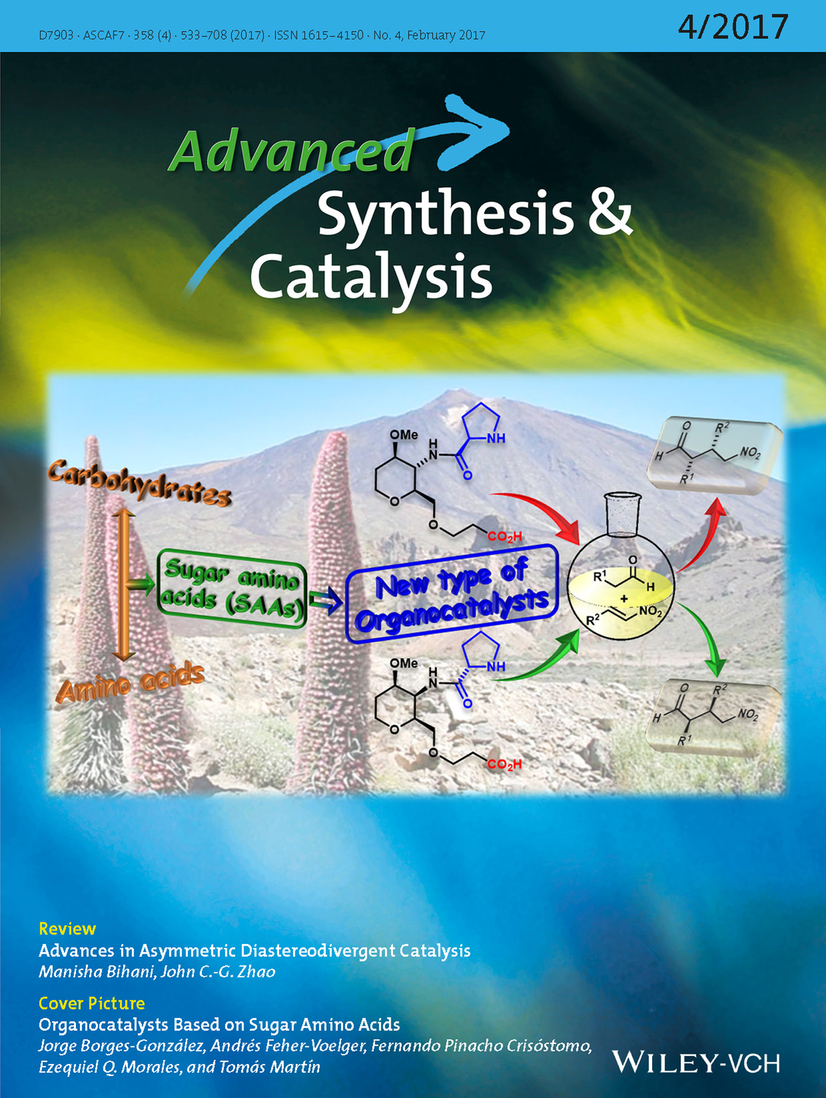
Synthesis and Characterization of a Novel Resveratrol Xylobioside Obtained Using a Mutagenic Variant of a GH10 Endoxylanase
Resveratrol is a natural polyphenol with antioxidant activity and numerous health benefits. However, in vivo application of this compound is still a challenge due to its poor aqueous solubility and rapid metabolism, which leads to an extremely low bioavailability in the target tissues. In this work, rXynSOS-E236G glycosynthase, designed from a GH10 endoxylanase of the fungus Talaromyces amestolkiae, was used to glycosylate resveratrol by using xylobiosyl-fluoride as a sugar donor. The major product from this reaction was identified by NMR as 3-O-ꞵ-d-xylobiosyl resveratrol, together with other glycosides produced in a lower amount as 4′-O-ꞵ-d-xylobiosyl resveratrol and 3-O-ꞵ-d-xylotetraosyl resveratrol. The application of response surface methodology made it possible to optimize the reaction, producing 35% of 3-O-ꞵ-d-xylobiosyl resveratrol. Since other minor glycosides are obtained in addition to this compound, the transformation of the phenolic substrate amounted to 70%. Xylobiosylation decreased the antioxidant capacity of resveratrol by 2.21-fold, but, in return, produced a staggering 4,866-fold improvement in solubility, facilitating the delivery of large amounts of the molecule and its transit to the colon. A preliminary study has also shown that the colonic microbiota is capable of releasing resveratrol from 3-O-ꞵ-d-xylobiosyl resveratrol. These results support the potential of mutagenic variants of glycosyl hydrolases to synthesize highly soluble resveratrol glycosides, which could, in turn, improve the bioavailability and bioactive properties of this polyphenol.

Pozo-Rodríguez, Ana; Méndez-Líter, Juan A. ; García-Villalba, Rocío; Beltrán, David; Calviño, Eva; GONZALEZ SANTANA, ANDRES ; Eugenio, Laura I. de ; Cañada, F. Javier ; Prieto, Alicia; Barriuso, Jorge; Tomás-Barberán, Francisco ; Jesús Martínez, María.
Metabolic Hepatic Disorders Caused by Ciguatoxins in Goldfish (Carassius auratus)
Ciguatera poisoning (CP) is a foodborne disease known for centuries; however, little research has been conducted on the effects of ciguatoxins (CTXs) on fish metabolism. The main objective of this study was to assess different hepatic compounds observed in goldfish (Carassius auratus) fed C-CTX1 using nuclear magnetic resonance (NMR)-based metabolomics. Thirteen goldfish were treated with C-CTX1-enriched flesh and sampled on days 1, 8, 15, 29, 36, and 43. On day 43, two individuals, referred to as ‘Detox’, were isolated until days 102 and 121 to evaluate the possible recovery after returning to a commercial feed. At each sampling, hepatic tissue was weighed to calculate the hepatosomatic index (HSI) and analyzed for the metabolomics study; animals fed toxic flesh showed a higher HSI, even greater in the ‘Detox’ individuals. Furthermore, altered concentrations of alanine, lactate, taurine, glucose, and glycogen were observed in animals with the toxic diet. These disturbances could be related to an increase in ammonium ion (NH4+) production. An increase in ammonia (NH3) concentration in water was observed in the aquarium where the fish ingested toxic meat compared to the non-toxic aquarium. All these changes may be rationalized by the relationship between CTXs and the glucose–alanine cycle.

Ramos-Sosa, María José; Hernández López, Víctor; Sánchez-Henao, Andrés; García-Álvarez, Natalia; DIAZ MARRERO, ANA RAQUEL ; Rosario, Inmaculada; Real, Fernando; Fernández, José J.
Chlorine Dioxide: Friend or Foe for Cell Biomolecules? A Chemical Approach
This review examines the role of chlorine dioxide (ClO2) on inorganic compounds and cell biomolecules. As a disinfectant also present in drinking water, ClO2 helps to destroy bacteria, viruses, and some parasites. The Environmental Protection Agency EPA regulates the maximum concentration of chlorine dioxide in drinking water to be no more than 0.8 ppm. In any case, human consumption must be strictly regulated since, given its highly reactive nature, it can react with and oxidize many of the inorganic compounds found in natural waters. Simultaneously, chlorine dioxide reacts with natural organic matter in water, including humic and fulvic acids, forming oxidized organic compounds such as aldehydes and carboxylic acids, and rapidly oxidizes phenolic compounds, amines, amino acids, peptides, and proteins, as well as the nicotinamide adenine dinucleotide NADH, responsible for electron and proton exchange and energy production in all cells. The influence of ClO2 on biomolecules is derived from its interference with redox processes, modifying the electrochemical balances in mitochondrial and cell membranes. This discourages its use on an individual basis and without specialized monitoring by health professionals.

Curieses Andrés, Celia María; Pérez de Lastra, José Manuel; Andrés Juan, Celia; Plou Gasca, Francisco José; Pérez-Lebeña, Eduardo.
Guanidine derivatives containing the chalcone skeleton are potent antiproliferative compounds against human leukemia cells
In this study, we investigated the effects of eleven synthetic guanidines containing the 1,3-diphenylpropenone core on the viabilities of six human cancer cells. The most cytotoxic compound against human cancer cells of this series contains a N-tosyl group and a N-methylpiperazine moiety 6f. It was cytotoxic against leukemia cells (U-937, HL-60, MOLT-3, and NALM-6) with significant effects against Bcl-2-overexpressing U-937/Bcl-2 cells as well as the human melanoma SK-MEL-1 cell line. It exhibited low cytotoxicity against quiescent or proliferating human peripheral blood mononuclear cells. The IC value for the leukemia U-937 cells was 1.6 ± 0.6 µM, a similar value to that in the antineoplastic agent etoposide. The guanidine containing a N-phenyl substituent 6i was also as cytotoxic as the guanidine containing the N-tosyl substituent and the N-methylpiperazine group 6f against human U-937 leukemia cells and both synthetic guanidines were potent apoptotic inducers. Cell death was mediated by the activation of the initiator caspase-9 and the executioner caspase-3, and associated with the release of cytochrome c. These synthetic guanidines are potent cytotoxic compounds against several human leukemia cells and even the human melanoma cell line SK-MEL-1 and might be useful in the development of new strategies in the fight against cancer.

Estévez, Francisco; Saavedra, Ester; Brouard, Ignacio; Peyrac, Jesús; Hernández-Garcés, Judith; García, Celina; Quintana, José; Estévez, Francisco.
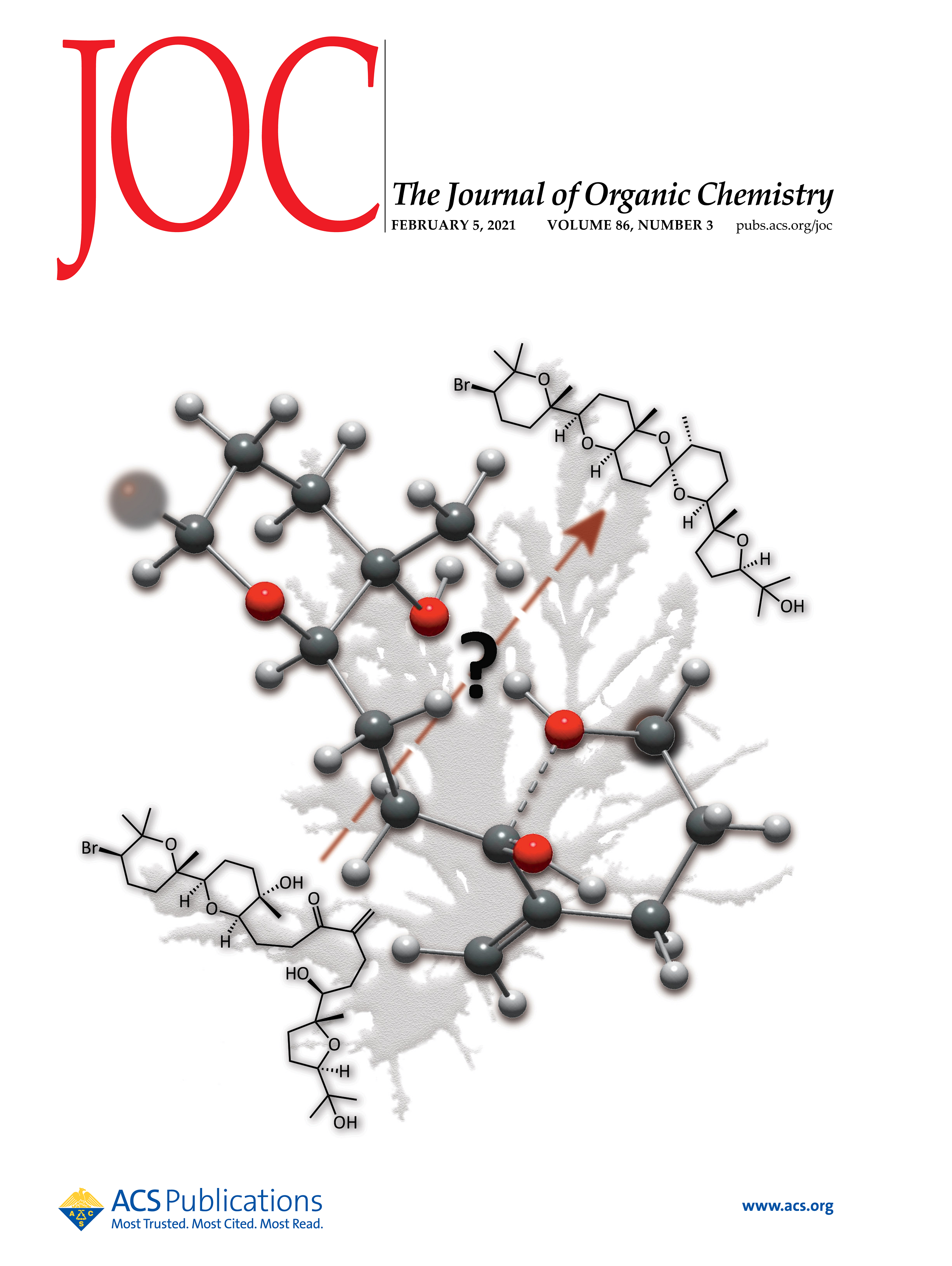
Chemical Stability of Petrichorins
The structure of petrichorin C1 (4) converted from petrichorin C (3) was determined using NMR spectroscopy and X-ray crystallography. The chemical stability of petrichorins A and C (1 and 3) was investigated by NMR spectroscopy, X-ray crystallography, and calculations.

Chunshun Li; Sarotti, Ariel M.; Hernández Daranas, Antonio; Xiaohua Wu; Shao-Liang Zheng; Blodgett, Joshua A. V.; Shugeng Cao.
Satellite Radar and Camera Time Series Reveal Transition from Aligned to Distributed Crater Arrangement during the 2021 Eruption of Cumbre Vieja, La Palma (Spain)
Magma-filled dikes may feed erupting fissures that lead to alignments of craters developing at the surface, yet the details of activity and migrating eruptions at the crater row are difficult to monitor and are hardly understood. The 2021 Tajogaite eruption at the Cumbre Vieja, La Palma (Spain), lasted 85 days and developed a pronounced alignment of craters that may be related to changes within the volcano edifice. Here, we use COSMO-SkyMed satellite radar data and ground-based time-lapse photographs, offering a high-resolution dataset to explore the locations and characteristics of evolving craters. Our results show that the craters evolve both gradually and suddenly and can be divided into three main phases. Phase 1, lasting the first 6 weeks of the eruption, was characterized by a NW–SE linear evolution of up to seven craters emerging on the growing cone. Following two partial collapses of the cone to the northwest and a seismicity increase at depth, Phase 2 started and caused a propagation of the main activity toward the southeastern side, together with the presence of up to 11 craters along this main NW–SE trend. Associated with strong deep and shallow earthquakes, Phase 3 was initiated and continued for the final 2 weeks of the eruption, expressed by the development of up to 18 craters, which became dominant and clustered in the southeastern sector in early December 2021. In Phase 3, a second and oblique alignment and surface fracture was identified. Our findings that crater and eruption changes coincide together with an increase in seismic activity at depth point to a deep driver leading to crater and morphology changes at the surface. These also suggest that crater distributions might allow for improved monitoring of changes occurring at depth, and vice versa, such that strong seismicity changes at depth may herald the migration and new formation of craters, which have major implications for the assessment of tephra and lava flow hazards on volcanoes.

Muñoz, Valeria; Walter, Thomas R.; Zorn, Edgar U.; Shevchenko, Alina V.; González, Pablo J.; Reale, Diego; Sansosti, Eugenio.
Population origin determines the adaptive potential for the advancement of flowering onset in Lupinus angustifolius L. (Fabaceae)
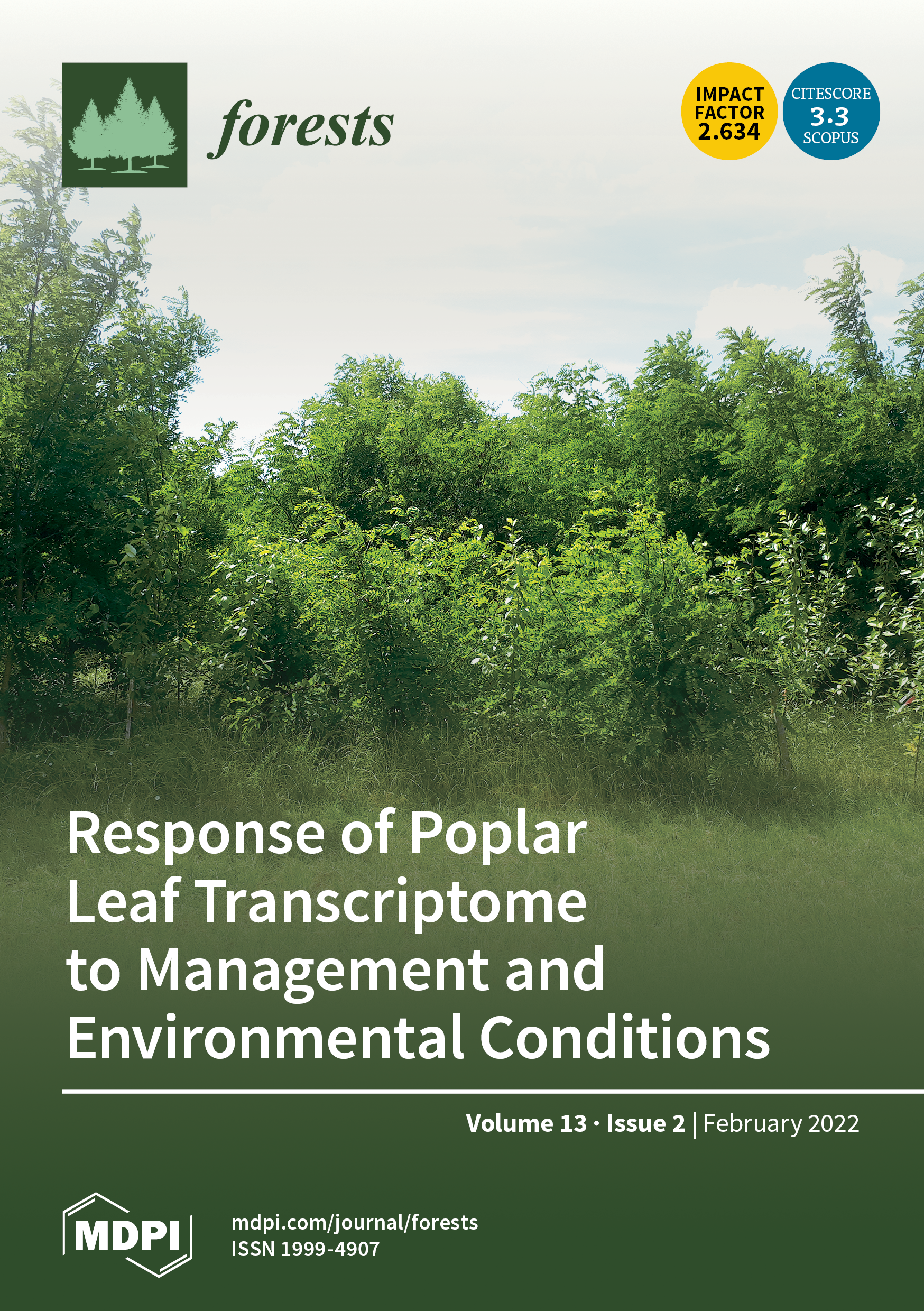
In the present framework of global warming, it is unclear whether evolutionary adaptation can happen quick enough to preserve the persistence of many species. Specifically, we lack knowledge about the adaptive potential of the different populations in relation to the various constraints that may hamper particular adaptations. There is evidence indicating that early flowering often provides an adaptive advantage to plants in temperate zones in response to global warming. Thus, the objective of this study was to assess the adaptive potential for advancing flowering onset in Lupinus angustifolius L. (Fabaceae). Seeds from four populations from two contrasting latitudes in Spain were collected and sown in a common garden environment. Selecting the 25% of the individuals that flowered earlier in the first generation, over three generations, three different early flowering selection lines were established, involving both self-crosses and outcrosses. All artificial selection lines advanced their flowering significantly with respect to the control line in the northernmost populations, but not in the southern ones. Selection lines obtained from outcrossing had a greater advancement in flowering than those from self-crossing. No differences were found in the number or weight of the seeds produced between control and artificial selection lines, probably because plants in the common garden were drip irrigated. These results suggest that northern populations may have a greater adaptive potential and that southern populations may be more vulnerable in the context of climate warming. However, earlier flowering was also associated with changes in other traits (height, biomass, shoot growth, specific leaflet area, and leaflet dry matter content), and the effects of these changes varied greatly depending on the latitude of the population and selection line. Assessments of the ability of populations to cope with climate change through this and other approaches are essential to manage species and populations in a more efficient way.

Sacristán-Bajo, Sandra; García-Fernández, Alfredo; Lara-Romero, Carlos; Prieto-Benítez, Samuel; Tabarés, Pablo; Morente-López, Javier; Rubio Teso, María Luisa; Alameda-Martín, Aitor; Torres, Elena; Iriondo, José María.
Effect of Phytosynthesized Selenium and Cerium Oxide Nanoparticles on Wheat (Triticum aestivum L.) against Stripe Rust Disease
In this study, selenium nanoparticles (SeNPs) and cerium oxide nanoparticles (CeONPs) were synthesized by using the extract of Melia azedarach leaves, and Acorus calamusas rhizomes, respectively, and investigated for the biological and sustainable control of yellow, or stripe rust, disease in wheat. The green synthesized NPs were characterized by UV-Visible spectroscopy, scanning electron microscopy (SEM), energy-dispersive X-ray (EDX), and X-ray diffraction (XRD). The SeNPs and CeONPs, with different concentrations (i.e., 10, 20, 30, and 40 mg/L), were exogenously applied to wheat infected with Puccinia striformis. SeNPs and CeONPs, at a concentration of 30 mg/L, were found to be the most suitable concentrations, which reduced the disease severity and enhanced the morphological (plant height, root length, shoot length, leaf length, and ear length), physiological (chlorophyll and membrane stability index), biochemical (proline, phenolics and flavonoids) and antioxidant (SOD and POD) parameters. The antioxidant activity of SeNPs and CeONPs was also measured. For this purpose, different concentrations (50, 100, 150, 200 and 400 ppm) of both SeNPs and CeONPs were used. The concentration of 400 ppm most promoted the DPPH, ABTS and reducing power activity of both SeNPs and CeONPs. This study is considered the first biocompatible approach to evaluate the potential of green synthesized SeNPs and CeONPs to improve the health of yellow, or stripe rust, infected wheat plants and to provide an effective management strategy to inhibit the growth of Puccinia striformis.

Shahbaz, Muhammad; Fatima, Noor; Mashwani, Zia-ur-Rehman; Akram, Abida; Ul Haq, Ehsan; Mehak, Asma; Abasi, Fozia; Ajmal, Maryam; Yousaf, Tayyaba; Raja, Naveed Iqbal; UlHassan, Hammad; Pérez de Lastra, José Manuel.
New record of Opisthoteuthis massyae (Grimpe, 1920) from Canary Islands, Spain
A new record of the cirrate octopod Opisthoteuthis massyae (Grimpe, 1920) is described from the vicinity of Tenerife Island (Canary Island, Spain). The specimen was a male having arms of pair I markedly thicker and enlarged suckers on the proximal fields of all arms and the distal field of arms II, III and IV. This record was confirmed applying phylogenetic analysis based on the cytochrome oxidase 1 mitochondrial gene sequence (Cox-1). This is the first cirrate octopod reported from the Canary Islands and the third Cox-1 sequence obtained for this species.

Escánez, Alejandro; Lugo, David; Hernández-Teixidor, David.