Publicaciones
Esta sección incluye una lista de los últimos artículos científicos del IPNA publicados en revistas incluidas en el Science Citation Index (SCI).
En DIGITAL.CSIC, repositorio institucional del CSIC, pueden encontrar el listado completo de artículos científicos desde 1962, así como otras colecciones de interés como congresos, tesis, libros, material divulgativo, etc. del centro. El objetivo de DIGITAL.CSIC es organizar, preservar y difundir en acceso abierto los resultados de nuestra investigación.
En el repositorio institucional del CSIC, pueden encontrar el listado completo de artículos científicos, así como otras colecciones de interés como congresos, tesis, libros, material divulgativo, etc.
Análisis de la Producción Científica del IPNA 2014-2019: análisis bibliométrico realizado a partir de datos recogidos en Scopus y Web of Science.

Late complex tensile fracturing interacts with topography at Cumbre Vieja, La Palma
Volcanic eruptions are often preceded by episodes of inflation and emplacement of magma along tensile fractures. Here we study the 2021 Tajogaite-Cumbre Vieja eruption on La Palma, Canary Islands, and present evidence for tensile fractures dissecting the new cone during the terminal stage of the eruption. We use synthetic aperture radar (SAR) observations, together with drone images and time-lapse camera data, to determine the timing, scale and complexities associated with a fracturing event, which is diverging at a topographic ridge. By comparing the field dataset with analogue models, we further explore the details of lens-shaped fractures that are characteristic for faults diverging at topographic highs and converging at topographic lows. The observations made at Cumbre Vieja and in our models are transferrable to other volcanoes and add further evidence that topography is substantially affecting the geometry and complexity of fractures and magma pathways, and the locations of eruptions.

Walter, Thomas R.; Zorn, Edgar U.; González, Pablo J.; Sansosti, Eugenio; Muñoz, Valeria; Shevchenko, Alina V.; Plank, Simon Manuel; Reale, Diego; Richter, Nicole.
Impact of the 2021 La Palma volcanic eruption on air quality: Insights froma multidisciplinary approach
The La Palma 2021 volcanic eruption was the first subaerial eruption in a 50-year period in the Canary Islands (Spain), emitting ~1.8 Tg of sulphur dioxide (SO2) into the troposphere over nearly 3 months (19 September-13 December 2021), exceeding the total anthropogenic SO2 emitted from the 27 European Union countries in 2019. We conducted a comprehensive evaluation of the impact of the 2021 volcanic eruption on air quality (SO2, PM10 and PM2.5 concentrations) utilising a multidisciplinary approach, combining ground and satellite-based measurements with height-resolved aerosol and meteorological information. High concentrations of SO2, PM10 and PM2.5 were observed in La Palma (hourly mean SO2 up to ~2600 μg m−3 and also sporadically at ~140 km distance on the island of Tenerife (> 7700 μg m−3) in the free troposphere. PM10 and PM2.5 daily mean concentrations in La Palma peaked at ~380 and 60 μg m−3. Volcanic aerosols and desert dust both impacted the lower troposphere in a similar height range (~ 0–6 km) during the eruption, providing a unique opportunity to study the combined effect of both natural phenomena. The impact of the 2021 volcanic eruption on SO2 and PM concentrations was strongly influenced by the magnitude of the volcanic emissions, the injection height, the vertical stratification of the atmosphere and its seasonal dynamics. Mean daily SO2 concentrations increased during the eruption, from 38 μg m−3 (Phase I) to 92 μg m−3 (Phase II), showing an opposite temporal trend to mean daily SO2 emissions, which decreased from 34 kt (Phase I) to 7 kt (Phase II). The results of this study are relevant for emergency preparedness in all international areas at risk of volcanic eruptions; a multidisciplinary approach is key to understand the processes by which volcanic eruptions affect air quality and to mitigate and minimise impacts on the population.
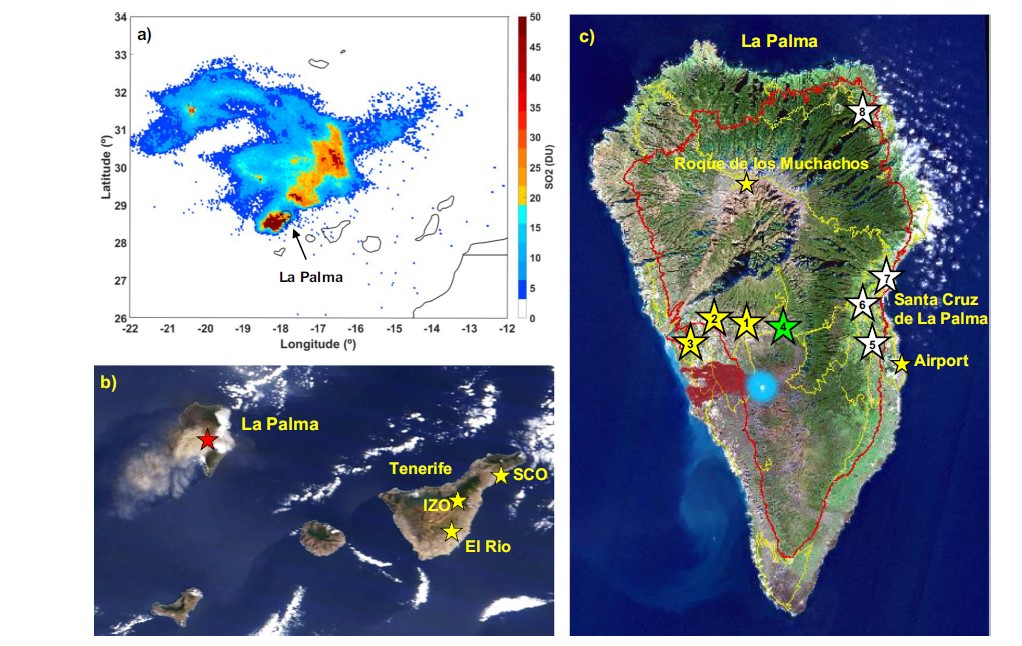
Milford, Celia; Torres, Carlos F.; Vilches, Jon; Gossman, Ann-Kathrin; Weis, Frederik; Suárez-Molina, David; García, Omaira E.; Prats, Natalia; Barreto, África; García, Rosa D.; Bustos, Juan J.; Marrero, Carlos L.; Ramos, Ramón; Chinea, Nayra; Boulesteix, Thomas ; Taquet, Noémie; Rodríguez, Sergio; López-Darias, Jessica; Sicard, Michaël; Córdoba-Jabonero, Carmen; Cuevas, Emilio.
Myeloid-Derived Suppressor Cells in Cancer and COVID-19 as Associated with Oxidative Stress
Myeloid-derived suppressor cells MDSCs are a heterogeneous population of cells that expand beyond their physiological regulation during pathologies such as cancer, inflammation, bacterial, and viral infections. Their key feature is their remarkable ability to suppress T cell and natural killer NK cell responses. Certain risk factors for severe COVID-19 disease, such as obesity and diabetes, are associated with oxidative stress. The resulting inflammation and oxidative stress can negatively impact the host. Similarly, cancer cells exhibit a sustained increase in intrinsic ROS generation that maintains the oncogenic phenotype and drives tumor progression. By disrupting endoplasmic reticulum calcium channels, intracellular ROS accumulation can disrupt protein folding and ultimately lead to proteostasis failure. In cancer and COVID-19, MDSCs consist of the same two subtypes (PMN-MSDC and M-MDSC). While the main role of polymorphonuclear MDSCs is to dampen the response of T cells and NK killer cells, they also produce reactive oxygen species ROS and reactive nitrogen species RNS. We here review the origin of MDSCs, their expansion mechanisms, and their suppressive functions in the context of cancer and COVID-19 associated with the presence of superoxide anion •O2− and reactive oxygen species ROS.

Curieses Andrés, Celia María; Pérez de Lastra, José Manuel; Andrés Juan, Celia; Plou Gasca, Francisco José; Pérez-Lebeña, Eduardo.
Insect Antifeedant Benzofurans from Pericallis Species
In this work, we have studied the benzofurans of Pericallis echinata (aerial parts and transformed roots), P. steetzii (aerial parts and transformed roots), P. lanata (aerial parts), and P. murrayi (aerial parts and roots). This work has permitted the isolation of the new benzofurans 10-ethoxy-11-hydroxy-10,11-dihydroeuparin (10), (-)-eupachinin A ethyl ether (12), 11,15-didehydro-eupachinin A (13), 10,12-dihydroxy-11-angelyloxy-10,11-dihydroeuparin (14), 2,4-dihydroxy-5-formyl-acetophenone (15) isolated for the first time as a natural product, 11-angelyloxy-10,11-dihydroeuparin (16), and 12-angelyloxyeuparone (17), along with several known ones (1–9, 11). In addition, the incubation of the abundant component, 6-hydroxytremetone (1), with the fungus Mucor plumbeus has been studied. Benzofurans in the tremetone series (1, 1a, 2–5, 18, 18a), the euparin series (6, 7, 7a, 8–10, 14, 16), and the eupachinin-type (11, 12) were tested for antifeedant effects against the insect Spodoptera littoralis. The antifeedant compounds (1, 4, 6, 11, 12) were further tested for postingestive effects on S. littoralis larvae. The most antifeedant compounds were among the tremetone series, with 3-ethoxy-hydroxy-tremetone (4) being the strongest antifeedant. Glucosylation of 1 by its biotransformation with Mucor plumbeus gave inactive products. Among the euparin series, the dihydroxyangelate 14 was the most active, followed by euparin (6). The eupachinin-type compounds (11, 12) were both antifeedants. Compounds 4, 11, and 12 showed antifeedant effects without postingestive toxicity to orally dosed S. littoralis larvae. Euparin (6) had postingestive toxicity that was enhanced by the synergist piperonyl butoxide.

Díaz, Carmen E.; Fraga, Braulio M.; Portero, Adriana G.; Brito, Iván; López-Balboa, Carmen; Ruiz-Vásquez, Liliana; González-Coloma, Azucena.
Superoxide Anion Chemistry—Its Role at the Core of the Innate Immunity
Classically, superoxide anion O2 and reactive oxygen species ROS play a dual role. At the physiological balance level, they are a by-product of O2 reduction, necessary for cell signalling, and at the pathological level they are considered harmful, as they can induce disease and apoptosis, necrosis, ferroptosis, pyroptosis and autophagic cell death. This revision focuses on understanding the main characteristics of the superoxide O2, its generation pathways, the biomolecules it oxidizes and how it may contribute to their modification and toxicity. The role of superoxide dismutase, the enzyme responsible for the removal of most of the superoxide produced in living organisms, is studied. At the same time, the toxicity induced by superoxide and derived radicals is beneficial in the oxidative death of microbial pathogens, which are subsequently engulfed by specialized immune cells, such as neutrophils or macrophages, during the activation of innate immunity. Ultimately, this review describes in some depth the chemistry related to O2 and how it is harnessed by the innate immune system to produce lysis of microbial agents.
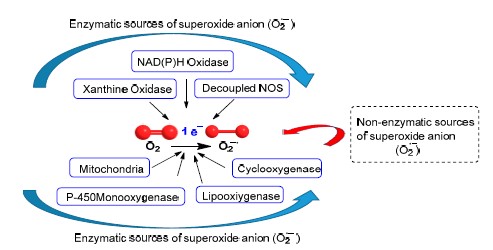
Curieses Andrés, Celia María; Pérez de Lastra, José Manuel; Andrés Juan, Celia; Plou Gasca, Francisco José; Pérez-Lebeña, Eduardo.
Halacaridae (Acari) from Tenerife (Canary Islands)
In the present study, halacarid mites inhabiting various macroalgae, barnacles and sand sediments from Tenerife (Canary Islands) were examined and identified for the first time. Among 114 individuals, 11 halacarid species belonging to six genera were detected: Agaue adriatica, Agauopsis brevipalpus, Agauopsis microrhyncha, Agauopsis tricuspis, Copidognathus lamelloides, C. magnipalpus, C. remipes, Halacarus subtilis, H. actenos, Halacaropsis hirsuta and Rhombognathus procerus. Presence of the epibiont suctorian ciliate species “Praethecacineta halacari” on C. magnipalpus is reported for the first time from the Canary Islands.
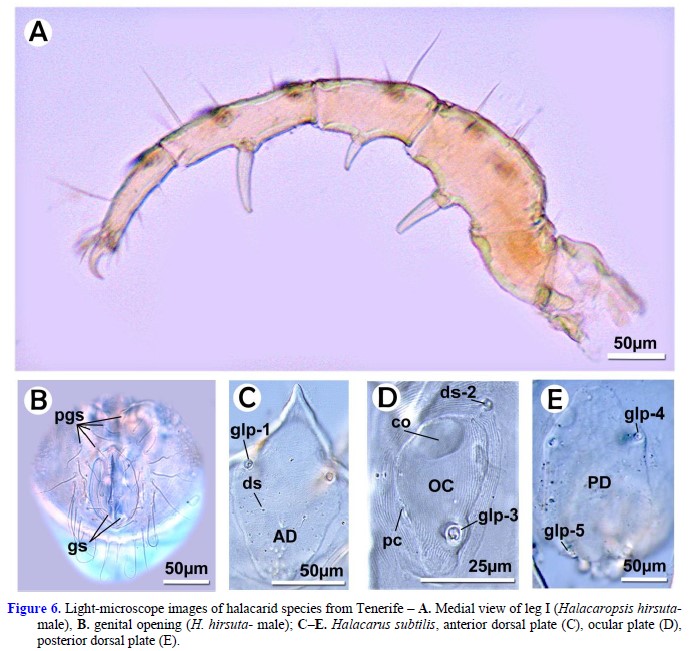
Durucan, Furkan; de la Paz, Juan Carlos; Hernández-Teixidor, David.
Biogeographic origins and drivers of alien plant invasions in the Canary Islands
Aim: Understanding the historical and contemporaneous drivers of invasion success in island systems can decisively contribute to identifying sources and pathways that are more likely to give rise to new invaders. Based on a floristic-driven approach, we aimed at determining the origins of the invasive alien flora of the Canary Islands and shedding light in the mechanisms shaping their distribution within the archipelago.
Location: Canary Islands.
Taxon:Vascular plants.
Methods: An updated checklist of the invasive alien flora of the Canary Islands was assembled along with complementary information related to the native biogeographical regions, stage of invasiveness and dates of naturalization. Statistical models were employed to describe differences in the number of species over space and time. We also used multivariate techniques to evaluate competing hypotheses related to the mechanisms driving invasive floristic composition within the archipelago.
Results: We provided a list of 149 alien plant species with a certain degree of invasiveness. The greatest number of invasive species originated from the Neotropics followed by the Cape Region, tropical Africa and the Mediterranean Basin. We observed a slow but steady increase in numbers of invasive species until the 1950s, followed by a stronger rise thereafter. In order to explain composition dissimilarity of the invasive flora among islands, a climatic matching hypothesis was fully supported, with geographic isolation and contemporary human-mediated connectivity hypotheses receiving less and null support respectively.
Main Conclusions: We showed that the Neotropical region is the main source of plant invasions to the Canary Islands, outnumbering those from other regions with a Mediterranean-type bioclimate. The assembly of the invasive flora within the archipelago appears to be driven primarily by climate, but with geographic distance also playing a role. This study calls for archipelago-dependent assessments of the underlying mechanisms that contribute to plant invasion success within insular systems.
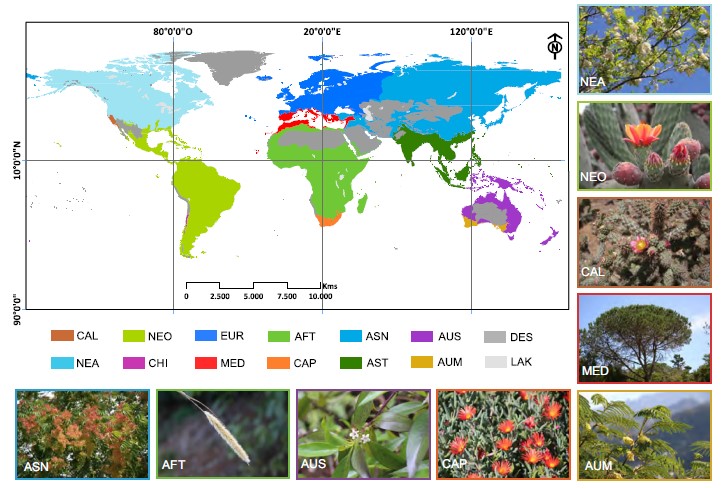
Morente-López, Javier; Arjona, Yurena; Salas-Pascual, Marcos; Reyes-Betancort, J. Alfredo; del Arco-Aguilar, Marcelino J.; Emerson, Brent C.; García-Gallo, Antonio; Jay-García, Louis S.; Naranjo-Cigala, Agustín; Patiño, Jairo.
Invertebrates and herptiles for livelihoods—ethnozoological use among different ethnic communities in Jammu and Kashmir (Indian Himalayas)
Background: Ethnic communities have relied on animals and their derived products for ages, and their use is often intricately related to many cultural features. In remote regions across the globe, indigenous peoples have been using invertebrates and herptiles for a variety of purposes (medicine, food, culture, and spiritual importance); however, related scientific research is sparse, particularly in the western Himalayas. In this respect, we collected useful information on invertebrates and herpetofauna from Jammu and Kashmir, India, across different ethnic groups, i.e., Gujjar, Bakarwal, Dogra, Kashmiri, and Pahari.
Methodology: The data were gathered using semi-structured interviews followed by group discussions. The information gathered was analyzed using ordination techniques (principal component analysis). The Venn diagram was used to investigate cross-cultural similarities and differences between ethnic groups.
Results: We documented 30 species belonging to five classes and 20 families used for different ethnozoological practices (medicinal, magico-religious, food, costume, omen, poultry, and agricultural purposes). The use of fauna resources varied across ethnic groups, and cross-cultural examination revealed that Kashmiri and Pahari populations were more similar in their species utilization. The maximum number of species (27%) was uniquely used by Kashmiri, followed by Pahari (17%), and the least by Dogra and Gujjar (3% each). The ethnozoological use of all documented species is unprecedented. In addition to ethnozoological usage, various documented species (Apis cerana, Apis mellifera, Hirudinaria granulosa, and Bombyx mori) were also important for the local population’s livelihoods.
Conclusion: Our findings can be considered the baseline for understanding the relationship of invertebrates and herptiles with specific ethnic groups and will aid in the development of future research projects that can assess the interaction between local fauna and the diverse ethnic groups.

Hassan, Musheerul; Haq, Shiekh Marifatul; Amjad, Muhammad Shoaib; Ahmad, Riyaz; Bussmann, Rainer W.; Pérez de Lastra, José Manuel.
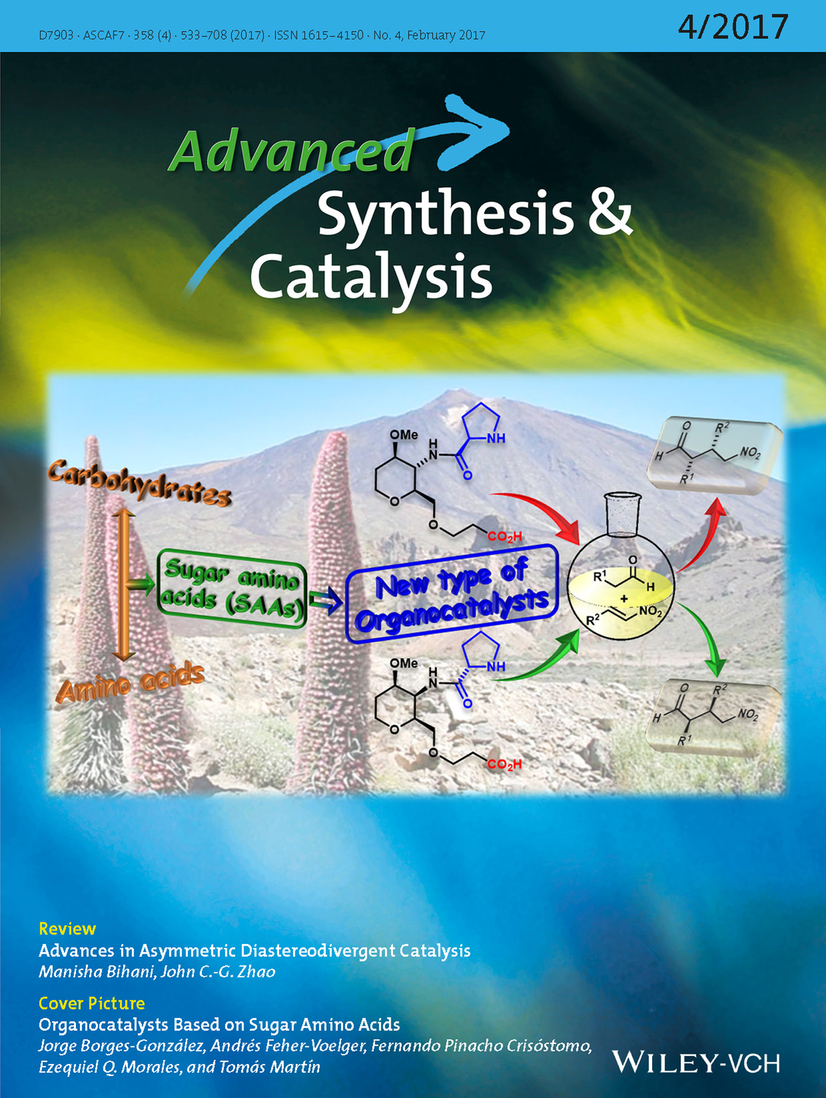
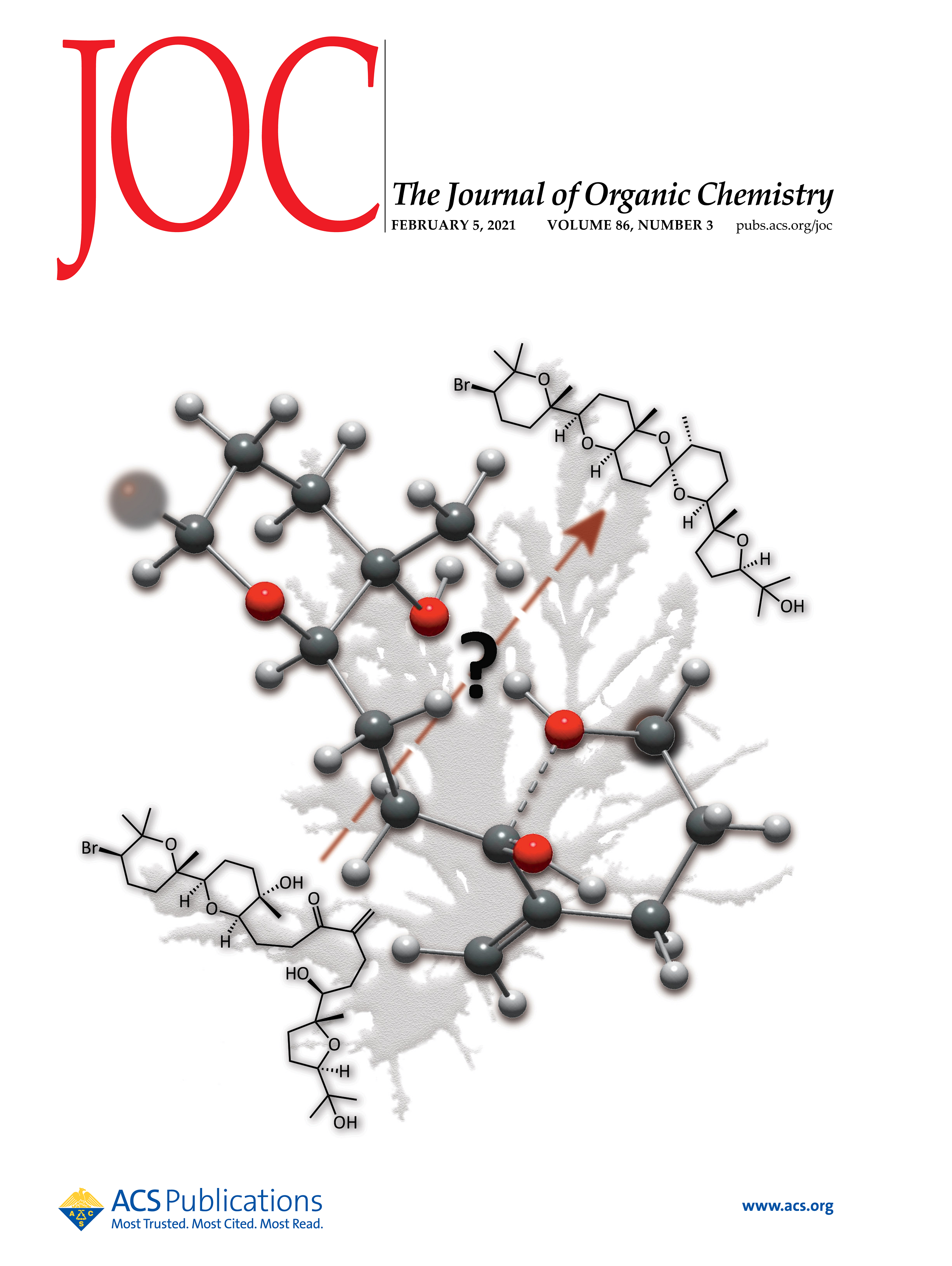
Gongolarones as antiamoeboid chemical scaffold
Free Living Amoeba (FLA) infections caused by Acanthamoeba genus include chronic nervous system diseases such as Granulomatous Amoebic Encephalitis (GAE), or a severe eye infection known as Acanthamoeba keratitis (AK). Current studies focused on therapy against these diseases are aiming to find novel compounds with amoebicidal activity and low toxicity to human tissues. Brown algae, such as Gongolaria abies-marina (previously known as Cystoseira abies-marina, S.G. Gmelin), presents bioactive molecules of interest, including some with antiprotozoal activity. In this study, six meroterpenoids were isolated and purified from the species Gongolaria abies-marina. Gongolarones A (1), B (2) and C (3) were identified as new compounds. Additionally, cystomexicone B (4), 1′-methoxyamentadione (5) and 6Z-1′-methoxyamentadione (6) were isolated. All compounds exhibited amoebicidal activity against Acanthamoeba castellanii Neff, A. polyphaga and A. griffini strains. Gongolarones A (1) and C (3) showed the lowest IC50 values against the two stages of these amoebae (trophozoite and cyst). Structure-activity relationship revealed that the cyclization by ether formation from C-12 to C-15 of 1, and the isomerization Δ2 t to Δ3 t of 3, increased the antiamoeboid activity of both compounds. Furthermore, gongolarones A (1) and C (3) triggered chromatin condensation, mitochondrial malfunction, oxidative stress, and disorganization of the tubulin-actin cytoskeleton in treated trophozoites. Moreover, transmission electron microscopy (TEM) images analysis revealed that compounds 1 and 3 induced autophagy process and inhibited the encystation process. All those results suggest that both compounds could induce programmed cell death (PCD) in Acanthamoeba.

Rodríguez-Expósito, Rubén L.; San Nicolás-Hernández, Desirée; Sifaoui, Ines; Cuadrado, Cristina; Salazar-Villatoro, Lizbeth; Reyes-Batlle, María; Hernández Daranas, Antonio; Omaña-Molina, Maritza; Fernández, José J.; DIAZ MARRERO, ANA RAQUEL ; Piñero, José E.; Lorenzo-Morales, Jacob.
Image-based taxonomic classification of bulk insect biodiversity samples using deep learning and domain adaptation
Complex bulk samples of insects from biodiversity surveys present a challenge for taxonomic identification, which could be overcome by high-throughput imaging combined with machine learning for rapid classification of specimens. These procedures require that taxonomic labels from an existing source data set are used formodel training and prediction of an unknown target sample. However, such transfer learningmay be problematic for the study of newsamples not previously encountered in an image set, for example, from unexplored ecosystems, and require methods of domain adaptation that reduce the differences in the feature distribution of the source and target domains (training and test sets).We assessed the efficiency of domain adaptation for family-level classification of bulk samples of Coleoptera, as a critical first step in the characterization of biodiversity samples. Neural networkmodels trained with images from a global database of Coleoptera were applied to a biodiversity sample from understudied forests in Cyprus as the target. Within-dataset classification accuracy reached 98% and depended on the number and quality of training images, and on dataset complexity. The accuracy of between-datasets predictions (across disparate source–target pairs that do not share any species or genera) was at most 82% and depended greatly on the standardization of the imaging procedure. An algorithm for domain adaptation, domain adversarial training of neural networks (DANN), significantly improved the prediction performance of models trained by non-standardized, low-quality images. Our findings demonstrate that existing databases can be used to train models and successfully classify images from unexplored biota, but the imaging conditions and classification algorithms need careful consideration.

Fujisawa, Tomochika; Noguerales, Víctor; Meramveliotakis, Emmanouil; Papadopoulou, Anna; Vogler, Alfried P.