Publications
This section includes a list of the latest IPNA scientific articles published in journals included in the Science Citation Index (SCI).
In DIGITAL.CSIC, institutional repository of the CSIC, you can find the complete list of scientific articles since 1962, as well as other collections of interest such as congresses, theses, books, informative material, etc. of the centre. The aim of DIGITAL.CSIC is to organize, preserve and disseminate in open access the results of our research.
In the institutional repository of the CSIC, you can find the complete list of scientific articles, as well as other collections of interest such as congresses, theses, books, informative material, etc.
Analysis of the IPNA 2014-2019 Scientific Production: bibliometric analysis from data collected in Scopus and Web of Science.

Unraveling behavioral and pace-of-life syndromes in a reduced parasite and predation pressure context: personality and survival of the Barbary ground squirrel
Personality traits overlap in behavioral syndromes that are assumed to be related to physiology and life history traits, shaping pace-of-life syndromes. Boldness and explorative behavior are frequently associated with higher parasite loads, increased resource acquisition, less efficient antipredator behavior, and reduced survival (e.g., through predation). We explored how personality is related to these biological traits using an invasive species—Atlantoxerus getulus in Fuerteventura island—as a model system with reduced parasitism and low predation pressure. We used breath rate during handling, open field tests, and escape trials to test for the existence of interindividual differences in boldness, explorative behavior, and escape speed, respectively. We also tested whether the personality traits were related and formed behavioral syndromes in A. getulus. At the same time, we explored how personality is related to ectoparasite load, body condition, and survival in the species. We found strong between-individual differences in breath rate, readiness to get in the open field arena, and escape speed. We found a behavioral syndrome, linking open field entrance and escape speed, in A. getulus. However, personality was not related to parasite load or body condition and survival was higher for bolder individuals. As a whole, our results suggest reduced parasites and predator pressures on Fuerteventura may have potentially neutralized the typical drawbacks of a fast pace-of-life in the introduced population of A. getulus. Significance statement: Research on the interactions of animal personality with other ecological and evolutionary factors, such as parasitism and selection gradients, has yielded some intriguing perspectives about many ecological and evolutionary processes. However, our understanding of the eco-evolutionary consequences of animal personality and how it interacts with other relevant biological processes is still limited. Invasive species often experience specific ecological conditions that can allow testing of the general assumptions related to animal personality. The present contribution explores if and how personality traits are related to key ecological and evolutionary factors, such as parasitism and survival, in the context of an invasive population subjected to reduced parasite and predation pressure. Unlike other studies conducted under different ecological contexts, our results suggest Barbary ground squirrels from the assessed population with fast pace-of-life syndromes have higher survival chances than their counterparts.

Piquet, Julien C.; López-Darias, Marta; van der Marel, Annemarie; Nogales, Manuel; Waterman, Jane
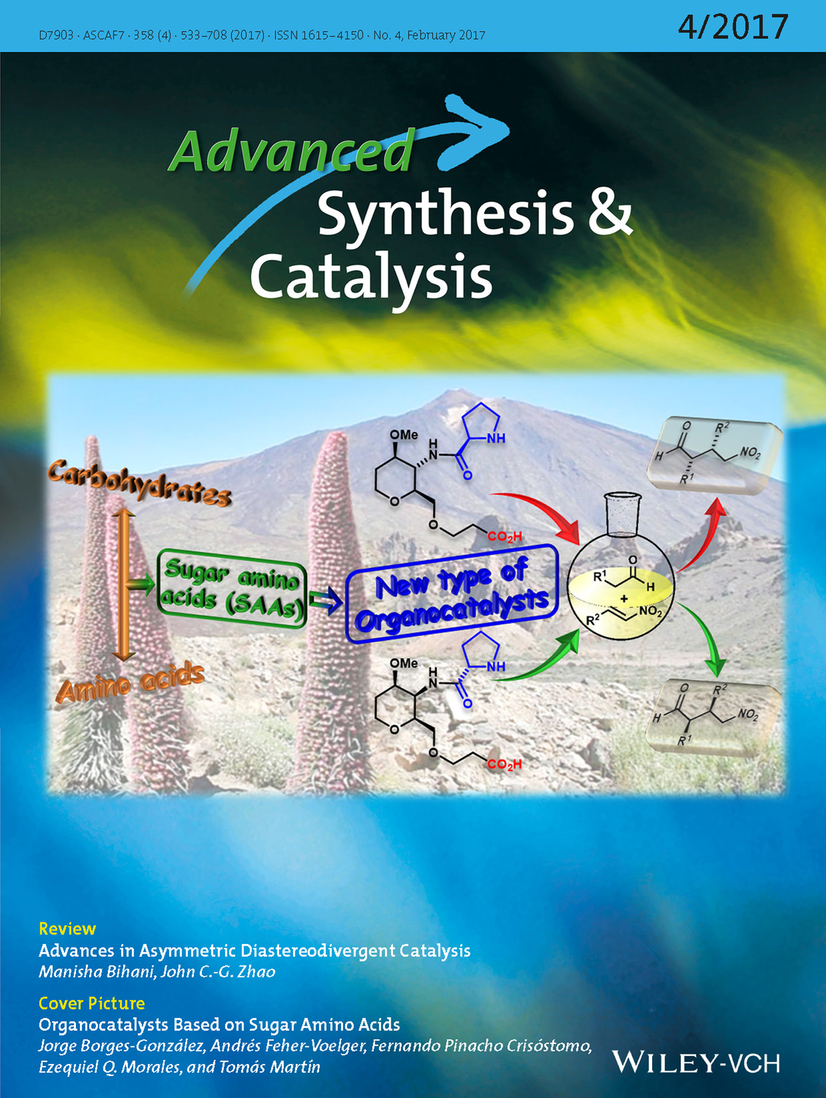
Synthetic molecules for disruption of the MYC protein-protein interface
MYC is a key transcriptional regulator involved in cellular proliferation and has established roles in transcriptional elongation and initiation, microRNA regulation, apoptosis, and pluripotency. Despite this prevalence, functional chemical probes of MYC function at the protein level have been limited. Previously, we discovered 5a, that binds to MYC with potency and specificity, downregulates the transcriptional activities of MYC and shows efficacy in vivo. However, this scaffold posed intrinsic pharmacokinetic liabilities, namely, poor solubility that precluded biophysical interrogation. Here, we developed a screening platform based on field-effect transistor analysis (Bio-FET), surface plasmon resonance (SPR), and a microtumor formation assay to analyze a series of new compounds aimed at improving these properties. This blind SAR campaign has produced a new lead compound of significantly increased in vivo stability and solubility for a 40-fold increase in exposure. This probe represents a significant advancement that will not only enable biophysical characterization of this interaction and further SAR, but also contribute to advances in understanding of MYC biology.

Jacob, Nicholas T.; Miranda, Pedro O.; Shirey, Ryan J.; Gautam, Ritika; Zhou, Bin; de Orbe Izquierdo, M. Elena; Hixon, Mark S.; Hart, Jonathan R.; Ueno, Lynn; Vogt, Peter K.; Janda, Kim D.
Oxa/thiazole-tetrahydropyran triazole-linked hybrids with selective antiproliferative activity against human tumour cells
Inspired by diverse marine bioactive compounds, the principle of molecular hybridization was applied to produce a series of new compounds combining diverse heterocyclic systems (oxa/thiazoles and tetrahydropyrans) via a triazole ring, attempting to increase the activity of individual building blocks. These new compounds exhibit a highly interesting antiproliferative activity against different human tumour cells and good selectivity when compared to normal cells. The formation of reactive oxygen species and the interaction with P-gp were also evaluated for the lead compounds.

Valdomir, Guillermo; Fernández, María de los Ángeles; Lagunes, Irene; Padrón, Juan I.; Martín, Víctor S.; Padrón, José M.; Davyt, Danilo
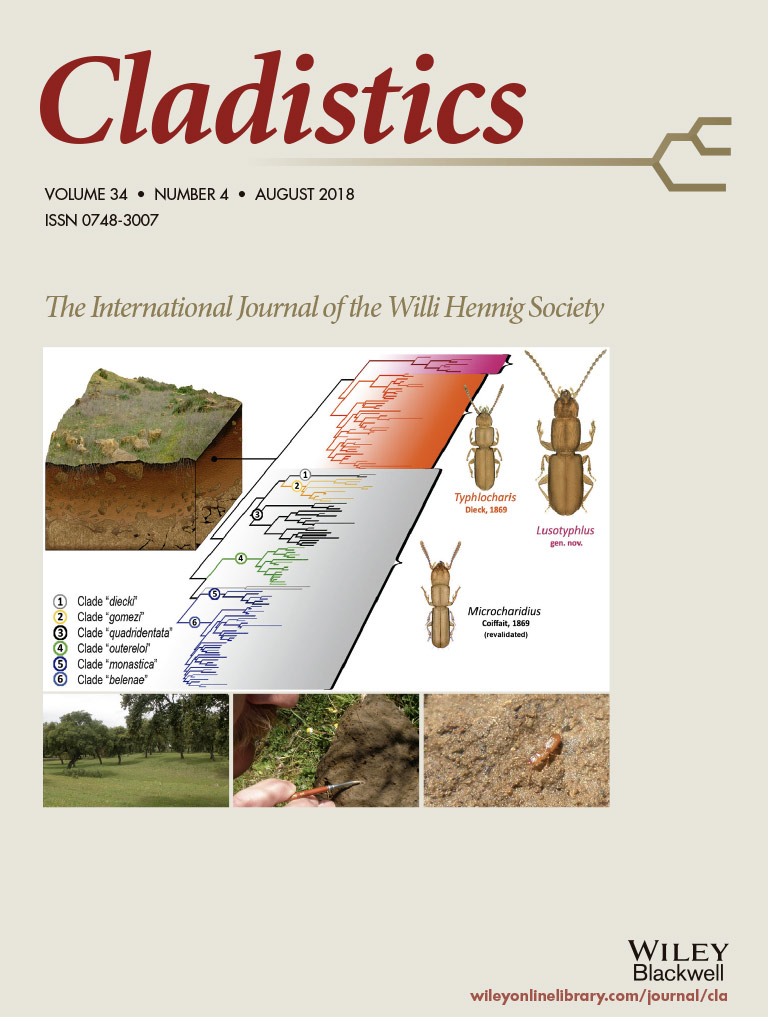
Hidden biodiversity: total evidence phylogenetics and evolution of morphological traits in a highly Diverse lineage of endogean ground beetles, Typhlocharis Dieck, 1869 (Carabidae, Trechinae, Anillini)
Typhlocharis is the most diverse eyeless endogean ground beetle genus known to date, with 62 species all endemic to the West Mediterranean region. The lineage is characterized by a conservative and singular body plan within Carabidae that contrasts with a high morphological diversity in many traits. We provide an exhaustive phylogeny of the lineage through the study of 92 morphological characters from all 62 described species and 45 potential new species from 70 additional populations, and the combination of morphological and available molecular data, in the first total evidence phylogenetic approach for a highly diverse endogean lineage. We tracked the evolution of morphological traits over the obtained phylogenies. Results suggest eight morphologically distinct clades, which do not correspond to the species groups proposed formerly. Ancestral state reconstructions and phylogenetic signal analyses of morphological traits revealed that some of the previously key characters to the classification of Typhlocharis, such as the umbilicate series or the apical denticles of elytra, are highly homoplasic, whereas other characters show stronger phylogenetic signal, including structures in the antennae, gula, pronotum and last abdominal ventrite. This evidence supports the split of Typhlocharis into three genera: Lusotyphlus gen. nov.; Typhlocharis Dieck, 1869 and Microcharidius Coiffait, 1969 (revalidated), forming the subtribe Typhlocharina Jeanne, 1973.

Pérez-González, Sergio; Andújar, Carmelo; Pérez Zaballos, Juan
Humulene derivatives from Saharian Asteriscus graveolens
Three new sesquiterpene-humulenes, (−)- asteriscunolides I (1), J (2) and (−)-(2Z,6E,9Z)-8-oxo-1α-acetoxy-2,6,9-humulatrien-12-oic acid (3) were isolated from the leaves-flowers of the Saharan medicinal plant Asteriscus graveolens along with six known compounds. The structures of the compounds were determined on the basis of spectroscopic mono and bidimensional NMR, mass spectrometry and by single-crystal X-ray diffraction. Compounds 1–3 were evaluated for cytotoxic assay, no significant activity was detected.

Hammoud, Leila; León, Francisco; Brouard, Ignacio; González-Platas, Javier; Benayache, Samir; Mosset, Paul; Benayache, Fadila
The 'terroirist' social movement: The reawakening of wine culture in Spain
This paper explores the emergence of the terroirist social movement in Spain and the controversies arising from it. We assess its role in transforming the Spanish wine scene and wine regions from the combined perspective of rural and social movement studies. Spain boasts the largest surface area of vineyards and the largest volume of wine exports of any country, yet it also sells the cheapest wine and lacks wine zoning policies, which makes Spain unique among traditional wine-producing countries. Considering this situation, a group of terroir-driven winemakers are challenging the Spanish industrial wine establishment. They have built networks in rural areas throughout the country and are actively involved in local grassroots movements, aiming to produce quality wines with added value, recover neglected wine regions and grape varieties, and reinstate traditional wine culture. While the movement displays certain elite and populist tendencies, it remains radical in its attempt to challenge a deep-seated economic model dominated by large companies with a powerful lobby that influences the government.

Alonso González, Pablo; Parga-Dans, Eva
Community assembly and diversification in a species-rich radiation of island weevils (Coleoptera: Cratopini)
[Aim] To test a prediction derived from island biogeographical theory that in situ speciation should make an increasingly important contribution to community assembly as islands age. This prediction is tested on estimated biogeographical histories from Mauritius (approximately 9 Myr) and Reunion (approximately 5 Myr). We additionally investigate the evolutionary dynamics of insect flight loss, as the loss of flight in island lineages can influence patterns of diversification. [Location] Mascarene Islands; Southwest Indian Ocean. [Taxon] Weevils. [Methods] Up to five individuals of each taxonomically described species sampled within each sampling site were sequenced for the mitochondrial gene Cytochrome Oxidase II to delimit operational taxonomic units (OTUs). OTUs were further sequenced for the nuclear genes Arginine Kinase, Histone 3 and ribosomal 28s, to reconstruct the phylogenetic history of the group. Timings of colonization and in situ speciation events were estimated with beast2. [Results] Our results support the hypothesis that present-day species richness on the older island of Mauritius is largely the result of in situ speciation, with few colonization events, of which all but the most basal are recent. In contrast, Reunion presents a more uniform temporal spectrum of colonization times. Flight loss has evolved convergently at least five times, and speciation events associated with flight loss are significantly younger than speciation events that have not resulted in flight loss. [Main conclusions] Patterns of community assembly on the islands of Mauritius and Reunion fit a model where the addition of new species and species turnover is increasingly dominated by in situ speciation as an island community matures. Repeated flight loss indicates selection for flightlessness, with the young age of flightless lineages suggesting higher extinction rates over longer evolutionary time-scales and little influence on present-day species richness.

Kitson, James J.N; Warren, Ben H.; Thébaud, Cristophe; Strasberg, Dominique; Emerson, Brent C.
Anagenesis, Cladogenesis, and Speciation on Islands
Anagenesis and cladogenesis are fundamental evolutionary concepts, but are increasingly being adopted as speciation models in the field of island biogeography. Here, we review the origin of the terms ‘anagenetic’ and ‘cladogenetic’ speciation, critique their utility, and finally suggest alternative terminology that better describes the geographical relationships of insular sister species.

Emerson, Brent C.; Patiño, Jairo
Evolutionary origin of the latitudinal diversity gradient in liverworts
A latitudinal diversity gradient towards the tropics appears as one most recurrent patterns in ecology, but the mechanisms underlying this pattern remain an area of controversy. In angiosperms, the tropical conservatism hypothesis proposes that most groups originated in the tropics and are adapted to a tropical climatic regime, and that relatively few species have evolved physiological adaptations to cold, dry or unpredictable climates. This mechanism is, however, unlikely to apply across land plants, and in particular, to liverworts, a group of about 7500 species, whose ability to withstand cold much better than their tracheophyte counterparts is at odds with the tropical conservatism hypothesis. Molecular dating, diversification rate analyses and ancestral area reconstructions were employed to explore the evolutionary mechanisms that account for the latitudinal diversity gradient in liverworts. As opposed to angiosperms, tropical liverwort genera are not older than their extra-tropical counterparts (median stem age of tropical and extra-tropical liverwort genera of 24.35 ± 39.65 Ma and 39.57 ± 49.07 Ma, respectively), weakening the ‘time for speciation hypothesis’. Models of ancestral area reconstructions with equal migration rates between tropical and extra-tropical regions outperformed models with asymmetrical migration rates in either direction. The symmetry and intensity of migrations between tropical and extra-tropical regions suggested by the lack of resolution in ancestral area reconstructions towards the deepest nodes are at odds with the tropical niche conservatism hypothesis. In turn, tropical genera exhibited significantly higher net diversification rates than extra-tropical ones, suggesting that the observed latitudinal diversity gradient results from either higher extinction rates in extra-tropical lineages or higher speciation rates in the tropics. We discuss a series of experiments to help deciphering the underlying evolutionary mechanisms.

Laenen, Bejanmin; Patiño, Jairo; Hagborg, Anders; Désamoré, Aurélie; Wang, Jian; Jonathan Shaw, A; Goffinet, Bernard; Vanderpoorten, Alain
Too Little Democracy in All the Right Places: A Comment on Kelty 2017
Roura-Expósito, Joan; Alonso González, Pablo