Publications
This section includes a list of the latest IPNA scientific articles published in journals included in the Science Citation Index (SCI).
In DIGITAL.CSIC, institutional repository of the CSIC, you can find the complete list of scientific articles since 1962, as well as other collections of interest such as congresses, theses, books, informative material, etc. of the centre. The aim of DIGITAL.CSIC is to organize, preserve and disseminate in open access the results of our research.
In the institutional repository of the CSIC, you can find the complete list of scientific articles, as well as other collections of interest such as congresses, theses, books, informative material, etc.
Analysis of the IPNA 2014-2019 Scientific Production: bibliometric analysis from data collected in Scopus and Web of Science.

Optimization of fungicidal and acaricidal metabolite production by endophytic fungus Aspergillus sp. SPH2
The endophytic fungus Aspergillus sp. SPH2 was isolated from the stems of the endemic plant Bethencourtia palmensis and its extracts were found to have strong fungicidal effects against Botrytis cinerea and ixodicidal effects against Hyalomma lusitanicum at different fermentation times. In this study, the fungus was grown using three different culture media and two methodologies, Microparticulate Enhancement Cultivation (MPEC) and Semi-Solid-State Fermentation (Semi-SSF), to increase the production of secondary metabolites during submerged fermentation. The addition of an inert support to the culture medium (Semi-SSF) resulted in a significant increase in the extract production. However, when talcum powder was added to different culture media, unexpected results were observed, with a decrease in the production of the biocompounds of interest. Metabolomic analyses showed that the production of aspergillic, neoaspergillic, and neohydroxyaspergillic acids peaked in the first few days of fermentation, with notable differences observed among the methodologies and culture media. Mellein production was particularly affected by the addition of an inert support to the culture medium. These results highlight the importance of surface properties and morphology of spores and mycelia during fermentation by this fungal species.

Reyes Castillo, Nicolás; Díaz, Carmen E.; Andrés, María Fé; Imperial, Juan; Valcárcel Sancho, Félix María; González-Coloma, Azucena.
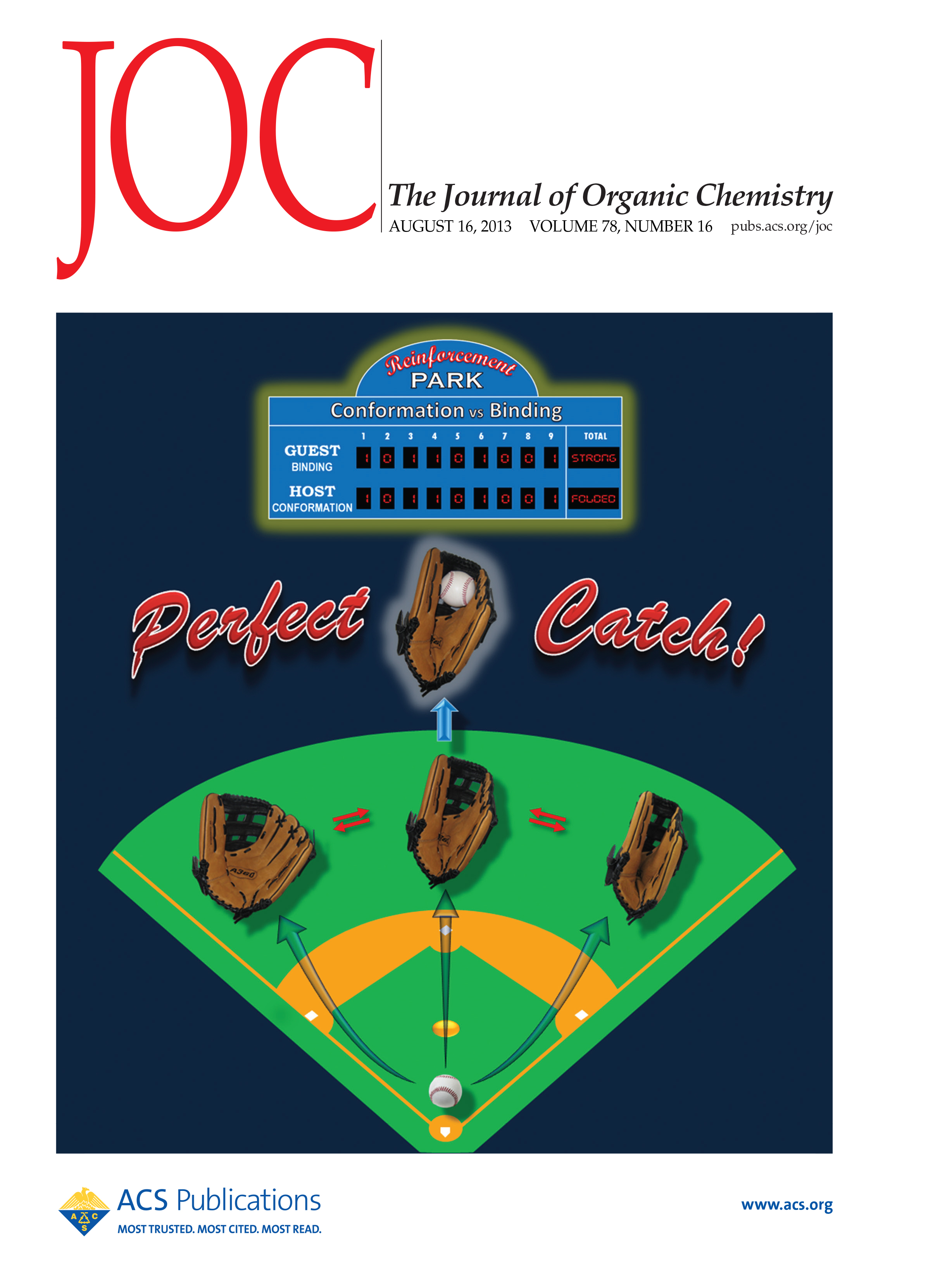
Synthesis, biological and computational evaluation of novel cyanomethyl vinyl ether derivatives
This work explores the biological evaluation of novel cyanomethyl vinyl ether derivatives as antiproliferative agents. Tubulin, crucial to microtubule structure and function, is a target for cancer therapies. In vitro cytotoxicity assessments revealed significant activity in SKOV3 ovarian carcinoma cells and A549 lung carcinoma cells. Structure-Activity Relationship (SAR) analysis indicated that the E isomer and specific substitutions influenced the biological activity. Computational assays predicted favorable ADME properties, highlighting potential as anticancerous agents. Molecular docking studies demonstrated that compound 12E, with the E geometry of the double bond and fused polyaromatic rings such as phenanthrene, has robust interaction with tubulin, suggesting enhanced stability due to diverse amino acid interactions. Comparative spatial distributions with colchicine further indicated potential mechanistic similarities.

Martín-Encinas, Endika; Fuertes, María; Delgado-Hernández, Samuel; García-Tellado, Fernando; Tejedor, David; Alonso, Concepción.
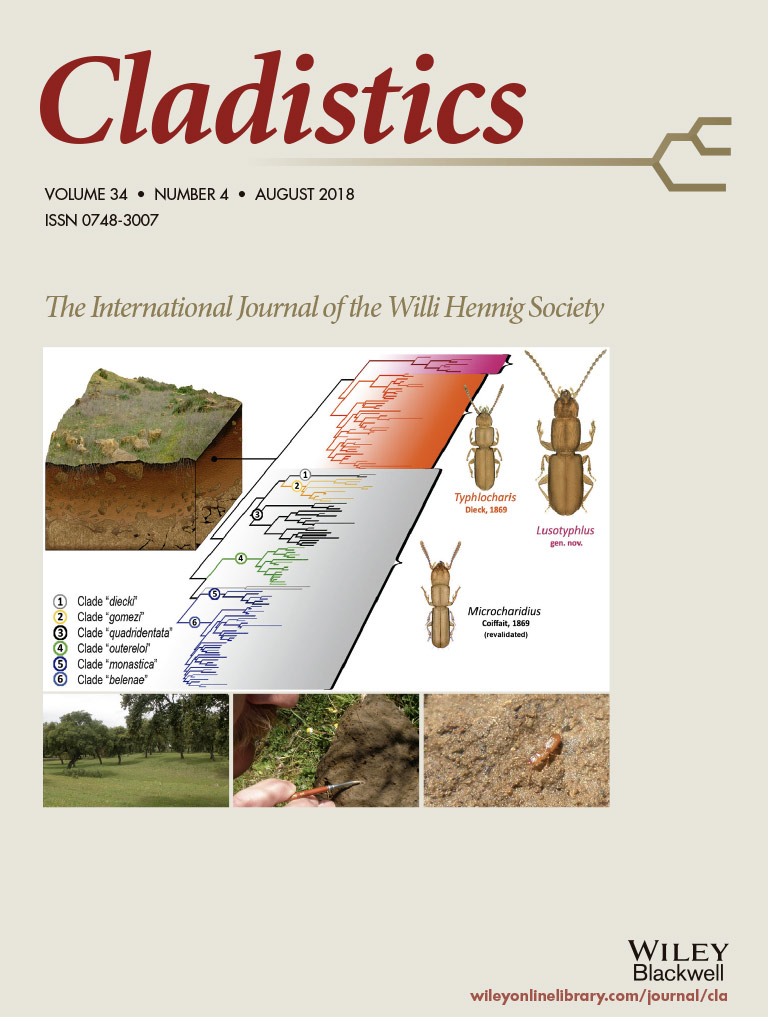
The destructive subterranean termite Reticulitermes flavipes (Blattodea: Rhinotermitidae) can colonize arid territories
Reticulitermes flavipes, one of the most destructive subterranean termite species, has been detected for the first time in an arid territory: Lanzarote (Canary Islands, Spain). This invasive species was introduced into several countries but never such a dry region. Although there are places with presence of this termite at similar or even higher temperatures, none has annual rainfall (10.1 mm) as low as Lanzarote. On this island it is present in semi-desert, near an affected urban area. Distribution, genetic, climate and host-plant data are evaluated to track and understand its invasion process in the archipelago.

Hernández-Teixidor, David; Pérez-Morín, Aura; Pestano, Juan; Mora, David; Fajardo, Silvia.
Sensory attributes and quality perception of red natural wines: a comparative study in Spain and France
Although the definition of natural wine remains contested and still lacks official recognition, it can be broadly described as a wine made with organic or biodynamic grapes without oenological additives in the cellar and minimal intervention in all winemaking stages. Despite growing interest in natural wines, uncertainty prevails about their sensory and quality attributes among both consumers and experts. In light of this research gap, this study aims to determine, first, if there are specific sensory dimensions allowing to differentiate natural wine as a wine category from conventional wines; second, if this sensory dimension affects the perception of the quality; and third, to characterise the physicochemical differences in terms of basic oenological parameters between natural wines and their conventional counterparts. To do so, 24 red wines (12 self-defined as natural and 12 conventional wines) were sensory and chemically characterised. The sensory evaluation was first carried out by winemakers from Spain. It consisted of a descriptive task (labelled sorting task) followed by a quality evaluation under two conditions: with and without information regarding the production method. A second panel of French experts carried out the same quality assessment, also with and without information. The aim was to find out whether expectations existed linked to each type of wine and to explore potential cross-cultural effects. The results of the labelled sorting task showed that natural wines tended to be different from conventional wines, but the difference was not clear-cut. However, natural wines were perceived to be of lower quality than their conventional counterparts, both with and without the information provided, regardless of the origin of winemakers. Results of the chemical analysis showed that natural wines presented higher values for volatile and total acidity and turbidity, while they had lower values for total and free sulphur. The study points to the existence of sensory dimensions with an impact on overall quality associated with the production method.

Ballester, Jordi; Belascoin, Mirian; Gonzalez-Hernandez, Marivel; Parga-Dans, Eva; Alonso-González, Pablo; Sáenz-Navajas, María-Pilar.
Amoebicidal effect of synthetic indoles against Acanthamoeba spp.: a study of cell death
Organic and synthetic chemistry plays a crucial role in drug discovery fields. Moreover, chemical modifications of available molecules to enhance their efficacy, selectivity and safety have been considered as an attractive approach for the development of new bioactive agents. Indoles, a versatile group of natural heterocyclic compounds, have been widely used in pharmaceutical industry due to their broad spectrum of activities including antimicrobial, antitumoral and anti-inflammatory among others. Herein, we report the amoebicidal activity of different indole analogs on Acanthamoeba castellanii Neff. Among the 40 tested derivatives, eight molecules were able to inhibit this protistan parasite. The structure-activity relationship (SAR) analysis of their anti-Acanthamoeba activity would suggest that a carboxylation of C-3 position and the incorporation of halogen as chlorine/fluorine would enhance their biological profile, presumably by increasing their lipophilicity and therefore their ability to cross the cell membrane. Fluorescence image base system was used to investigate the effect of indole 6o c-6 on the cytoskeleton network and various programmed cell death features. We were able to highlight that the methyl 6-chloro-1H-indole-3-carboxylate could induce program cell death by the mitochondrial dysfunction.

Sifaoui, Ines; Rodríguez-Expósito, Rubén L.; Reyes-Batlle, María; Dumpiérrez Ramos, Alejandra; Diana-Rivero, Raquel; García-Tellado, Fernando; Tejedor, David; Piñero, José E.; Lorenzo-Morales, Jacob.
Antioxidant Metabolism Pathways in Vitamins, Polyphenols, and Selenium: Parallels and Divergences
Free radicals (FRs) are unstable molecules that cause reactive stress (RS), an imbalance between reactive oxygen and nitrogen species in the body and its ability to neutralize them. These species are generated by both internal and external factors and can damage cellular lipids, proteins, and DNA. Antioxidants prevent or slow down the oxidation process by interrupting the transfer of electrons between substances and reactive agents. This is particularly important at the cellular level because oxidation reactions lead to the formation of FR and contribute to various diseases. As we age, RS accumulates and leads to organ dysfunction and age-related disorders. Polyphenols; vitamins A, C, and E; and selenoproteins possess antioxidant properties and may have a role in preventing and treating certain human diseases associated with RS. In this review, we explore the current evidence on the potential benefits of dietary supplementation and investigate the intricate connection between SIRT1, a crucial regulator of aging and longevity; the transcription factor NRF2; and polyphenols, vitamins, and selenium. Finally, we discuss the positive effects of antioxidant molecules, such as reducing RS, and their potential in slowing down several diseases.

Curieses Andrés, Celia María; Pérez de Lastra, José Manuel; Andrés Juan, Celia; Plou Gasca, Francisco José; Pérez-Lebeña, Eduardo.
Using bryophyte life strategies as indicators of fire disturbance in Macaronesian laurel forests
Fire alters ecosystems by impacting their composition and structure, ultimately influencing vegetation patterns across landscapes. Bryophytes are the most ancient terrestrial plants and represent an important component of subtropical and tropical humid forests globally. Bryophyte life strategies encompass different adaptive characteristics that can help to differentiate disturbance levels, thus serving as potential indicators of forest maturity. Their life strategy classification differentiates among reproductive effort, dispersal ability, colonisation success, and lifespan. Analysing fire effects through bryophyte life strategies thus offers a window for understanding the consequences of fire disturbance on ecosystem structure and function. Here we examined bryophyte life strategy compositions within Macaronesian laurel forests of the Canary Islands encompassing four fire events, ranging from 5 to 57 years, comparing between burnt and unburnt (control) plots. The influence of climate, forest structure and time since fire on both the richness and cover of different bryophyte life strategies was assessed. Results reveal that life strategy richness, abundance and composition change with environmental conditions, forest structure, and that these differ according to ecological group (terricolous, saxicolous and epiphytes), and that, in addition to time since the fire, other factors are at play. On one hand, short-life and widespread species quickly colonise the terrestrial substrate in the first post-fire stages, serving as alteration indicators. On the other hand, perennial species from all ecological groups, together with saxicolous long-lived shuttles served as indicators of forest maturity. Our work underscores the value of using bryophyte life strategies as a measure of post-fire microhabitat recovery.

Cedrés-Perdomo, Ruymán David; Emerson, Brent C.; González Mancebo, Juana María.
El vino de tea de La Palma: Un patrimonio cultural alimentario
El vino de tea, como parte del patrimonio y la cultura inmaterial de la isla de La Palma, constituye un fenómeno de la tradición vitivinícola insular único en el mundo. Esto se debe no solo a la singularidad de su elaboración y consumo, sino que este producto también presenta una composición, unas características organolépticas singulares. Por ello, el presente artículo aúna los diferentes procesos de investigación y los resultados alcanzados y analizados en las diferentes investigaciones realizadas en el marco de proyectos interdisciplinares enmarcados en temáticas variadas. Se emplearon varias técnicas, desde las entrevistas semiestructuradas hasta el análisis de compuestos volátiles. Los resultados muestran que la singularidad de la elaboración de este vino goza de siglos de tradición en el noroeste palmero. Al mismo tiempo que el vino de tea como producto vitivinícola posee una serie de compuestos volátiles específicos conferidos por la maceración en madera de tea.

Arocha Alonso, Francisco Nauzet; Parga-Dans, Eva ; Alonso-González, Pablo; Cumplido Mancera, Luis Francisco.
Comparative analyses of pesticide residues, elemental composition and mycotoxin levels in Spanish traditional and novel ciders
The apple cultivar, known for its adaptability and diverse varieties, has been extensively utilized for cider production, particularly in climatically suitable regions. Cider, an age-old alcoholic beverage derived from fermenting apple juice, is gaining popularity, especially among younger generations. Despite this trend, comprehensive knowledge regarding the toxicological profile of ciders remains limited, leaving room for potential chemical contaminants from raw ingredients or production methods. To address this gap, we conducted an unprecedented study analyzing sixty-eight cider samples from the Spanish market, encompassing both traditional ciders and newly developed apple-based flavored drinks referred to as “ciders.” Our investigation focused on pesticide residues, elemental profiles, and mycotoxin residues. In a groundbreaking approach, our study integrated the analysis of 225 pesticide residues, 50 Persistent Organic Pollutants (POPs), 11 mycotoxins (AFB1, AFB2, AFG1, AFG2, DON, FB1, FB2, H-2, HT-2, OTA, PAT, and ZEN), and a total of 50 elements. Pesticide residues were identified using GCMSMS and LCMSMS, elemental composition determined via ICPMS, and mycotoxins analyzed using LCMSMS. The significance of our research lies in addressing the dearth of toxicological analyses of ciders, despite their burgeoning global consumption and production. For pesticide residues and elemental composition, our results underwent statistical processing, revealing distinct differences between the elemental profiles of traditional ciders and “ciders.” Additionally, disparities were observed between cider and other low-alcohol fermented beverages like wines and beers. Concentrations of most pesticide residues and elements in the cider samples were deemed non-toxic, falling below allowable limits established by international organizations for other beverages such as water or wine. However, certain elements, notably Br and Pb in traditional ciders, raised potential concerns. Our findings underscore the necessity of establishing regulatory limits for pesticide residues, potentially hazardous elements, and mycotoxins in cider, a regulatory framework currently lacking on a global scale.

Alonso-González, Pablo; Parga-Dans, Eva; de las Heras Tranche, Iván; Acosta-Dacal, Andrea Carolina; Macías Montes, Ana; Zumbado Peña, Manuel; Pérez Luzardo, Octavio.
Foliar treatment with MSB (menadione sodium bisulphite) to increase artemisinin content in Artemisia annua plants
Artemisinin is a sesquiterpene lactone endoperoxide, recognized for its application as a treatment for malaria. Besides, it has activity against several types of cancers, as well as anti-viral and anti-inflammatory properties. The chemical synthesis of artemisinin is quite complex and economically unfeasible. Hence, artemisinin is typically obtained from Artemisia annua plants in low quantities in relation to the biomass. A strategy to increase the biosynthesis of secondary metabolites would be the application of elicitors. In this work, the effect of treating A. annua plants with menadione sodium bisulphite (MSB) is studied. An initial dose-optimization was conducted by treating the plants with different MBS concentrations (0, 0.2, 0.8, 1, 2, 3 and 4 mM) and artemisinin was quantified 48 h after treatment. The highest artemisinin content (3.71 mg artemisinin g−1 DW) was obtained with 1 mM of MSB. Then, harvesting time was optimised (24, 48 and 72 h after treatment application) with 1 mM of MSB. The largest increase in artemisinin content was observed at 48 h with an increment of 62.37 % over the control. The treatment increased H2O2 content, as well as the activity of superoxide dismutase (SOD) and ascorbate peroxidase (APX). Besides, MSB up-regulated HMGR (the gene for 3-hydroxy-3-methylglutaryl-CoA reductase) and DXS (the gene for 1-deoxy-D-xylulose-5-phosphate synthase) 24 h after treatment. Both genes are involved in the MVA (mevalonate) and MEP (2C-methylerythritol 4-phosphate) pathways, respectively. These pathways represent the initiation of artemisinin biosynthesis. Thus, MSB application and the consequent up-regulation of early biosynthetic pathway genes along with the triggered oxidative stress may have been contributed to the observed increase in artemisinin production.

García-García, Ana L.; Rodríguez-Ramos, Ruth; Borges, Andrés A.; Boto, Alicia; Jiménez-Arias, David.