Publicaciones
Esta sección incluye una lista de los últimos artículos científicos del IPNA publicados en revistas incluidas en el Science Citation Index (SCI).
En DIGITAL.CSIC, repositorio institucional del CSIC, pueden encontrar el listado completo de artículos científicos desde 1962, así como otras colecciones de interés como congresos, tesis, libros, material divulgativo, etc. del centro. El objetivo de DIGITAL.CSIC es organizar, preservar y difundir en acceso abierto los resultados de nuestra investigación.
En el repositorio institucional del CSIC, pueden encontrar el listado completo de artículos científicos, así como otras colecciones de interés como congresos, tesis, libros, material divulgativo, etc.
Análisis de la Producción Científica del IPNA 2014-2019: análisis bibliométrico realizado a partir de datos recogidos en Scopus y Web of Science.

Cuban cultural heritage: A rebel past for a revolutionary nation
Cuban Cultural Heritage explores the role that cultural heritage and museums played in the construction of a national identity in postcolonial Cuba. Starting with independence from Spain in 1898 and moving through Cuban-American rapprochement in 2014, Pablo Alonso González illustrates how political and ideological shifts have influenced ideas about heritage and how, in turn, heritage has been used by different social actors to reiterate their status, spread new ideologies, and consolidate political regimes.
Unveiling the connections between heritage, power, and ideology, Alonso Gonzalez delves into the intricacies of Cuban history, covering key issues such as Cuba's cultural and political relationships with Spain, the United States, the Soviet Union, and so-called Third World countries; the complexities of Cuba's status as a postcolonial state; and the potential future paths of the Revolution in the years to come. This volume offers a detailed look at the function and place of cultural heritage under socialist states.

Alonso-González, Pablo.
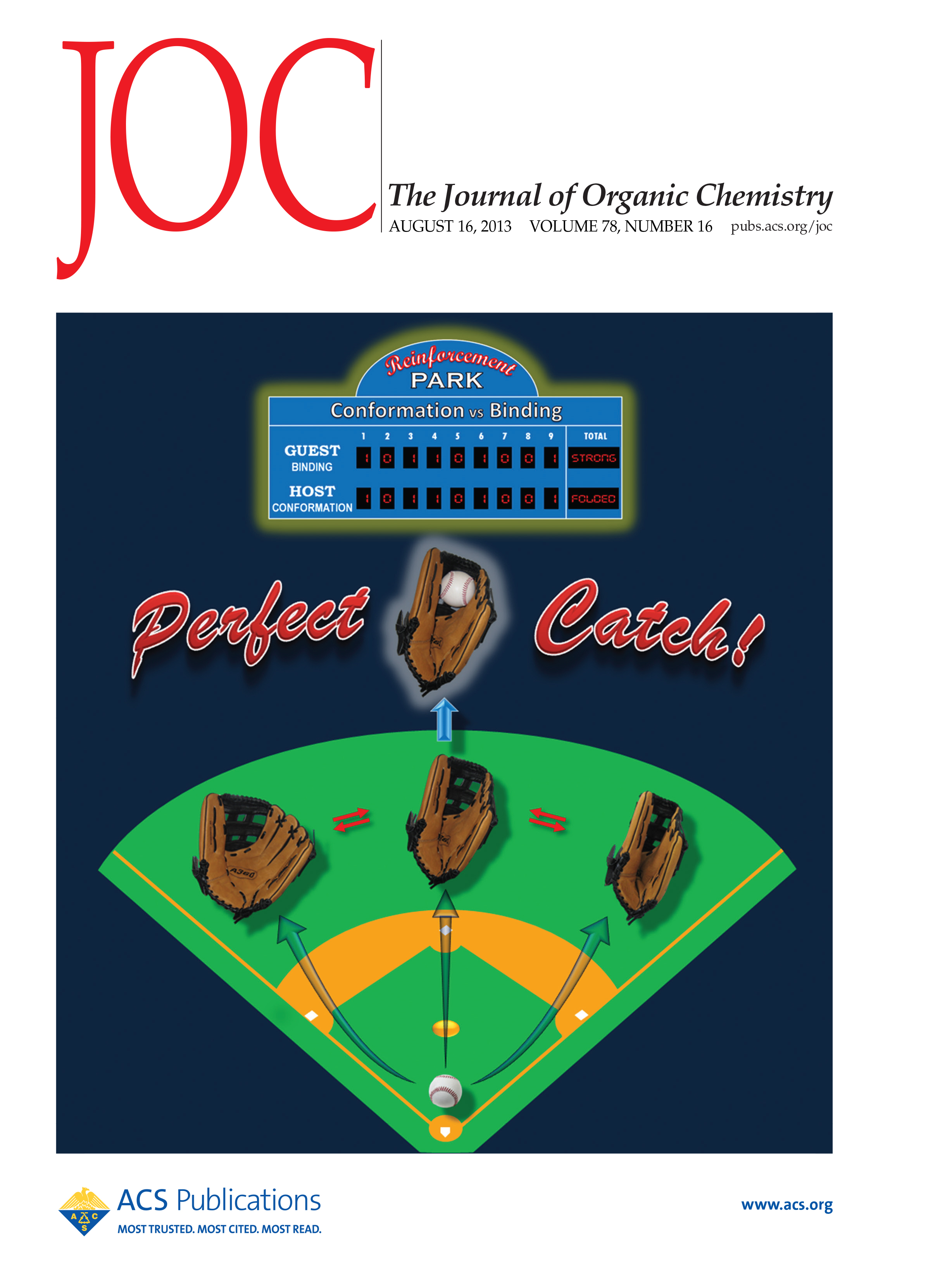
Metal-Free, Site-Selective Peptide Modification by Conversion of “Customizable” Units into β-Substituted Dehydroamino Acids
Our site-selective modification of serine or threonine units in peptides allows the generation of β-substituted dehydroamino acids, which increase peptide resistance to hydrolysis and may improve their biological properties. Both the terminal and internal positions can be modified, and different customizable units can be activated separately. Remarkably, high Z selectivity is achieved, even at internal positions. The conversion involves a one-pot oxidative radical scission/phosphorylation process by using the low-toxicity (diacetoxyiodo)benzene/iodine system as the scission reagent. The resulting α-amino phosphonates undergo a Horner-Wadsworth-Emmons reaction to produce the dehydroamino acid derivatives (in a Z/E ratio of usually >98:2) under mild and metal-free conditions.

Saavedra, Carlos Javier; Hernández, Dácil; Boto, Alicia
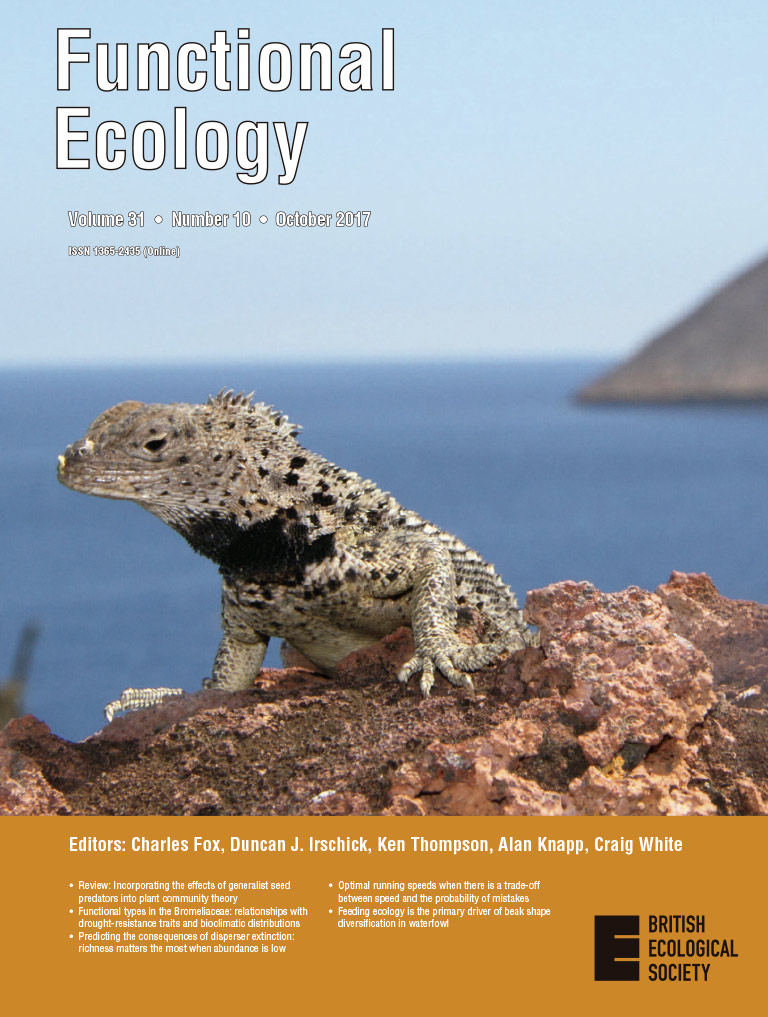
Disclosing the double mutualist role of birds on Galápagos
Life on oceanic islands deviate in many ways from that on the mainland. Their biodiversity is relatively poor and some groups are well-represented, others not, especially not insects. A scarcity of insects forces birds to explore alternative food, such as nectar and fruit. In this way, island birds may pollinate and disperse seed to an extent unseen on any mainland; they may even first consume floral resources of a plant species and then later harvest the fruit of the same species. Through this biotic reuse, they may act as double mutualists. The latter have never been studied at the level of the network, because they are traditionally considered rare. We sampled pollination and seed-dispersal interactions on Galápagos and constructed a plant-bird mutualism network of 108 plant (12% being double mutualists) and 21 bird species (48% being double mutualists), and their 479 interactions, being either single (95%) or double mutualisms (5%). Double mutualists constitute the core in the pollination-dispersal network, coupling the two link types together. They may also initiate positive feedbacks (more pollination leading to more dispersal), which theoretically are known to be unstable. Thus, double mutualisms may be a necessary, but risky prerequisite to the survival of island biodiversity.

Olesen, Jens M.; Damgaard, Christian F.; Fuster, Francisco; Heleno, Rubén H.; Nogales, Manuel; Rumeu, Beatriz; Trojeslgaard, Kristian; Vargas, Pablo; Traveset, Anna
Metabarcoding of freshwater invertebrates to detect the effects of a pesticide spill
Biomonitoring underpins the environmental assessment of freshwater ecosystems and guides management and conservation. Current methodology for surveys of (macro)invertebrates uses coarse taxonomic identification where species-level resolution is difficult to obtain. Next-generation sequencing of entire assemblages (metabarcoding) provides a new approach for species detection, but requires further validation. We used metabarcoding of invertebrate assemblages with two fragments of the cox1 “barcode” and partial nuclear ribosomal (SSU) genes, to assess the effects of a pesticide spill in the River Kennet (southern England). Operational taxonomic unit (OTU) recovery was tested under 72 parameters (read denoising, filtering, pair merging and clustering). Similar taxonomic profiles were obtained under a broad range of parameters. The SSU marker recovered Platyhelminthes and Nematoda, missed by cox1, while Rotifera were only amplified with cox1. A reference set was created from all available barcode entries for Arthropoda in the BOLD database and clustered into OTUs. The River Kennet metabarcoding produced matches to 207 of these reference OTUs, five times the number of species recognized with morphological monitoring. The increase was due to the following: greater taxonomic resolution (e.g., splitting a single morphotaxon “Chironomidae” into 55 named OTUs); splitting of Linnaean binomials into multiple molecular OTUs; and the use of a filtration-flotation protocol for extraction of minute specimens (meiofauna). Community analyses revealed strong differences between “impacted” vs. “control” samples, detectable with each gene marker, for each major taxonomic group, and for meio- and macrofaunal samples separately. Thus, highly resolved taxonomic data can be extracted at a fraction of the time and cost of traditional nonmolecular methods, opening new avenues for freshwater invertebrate biodiversity monitoring and molecular ecology.
Andújar, Carmelo; Arribas, Paula; Gray, Clare; Bruce, Catharine; Woodward, Guy; Yu, Douglas W.; Vogler, Alfried P.
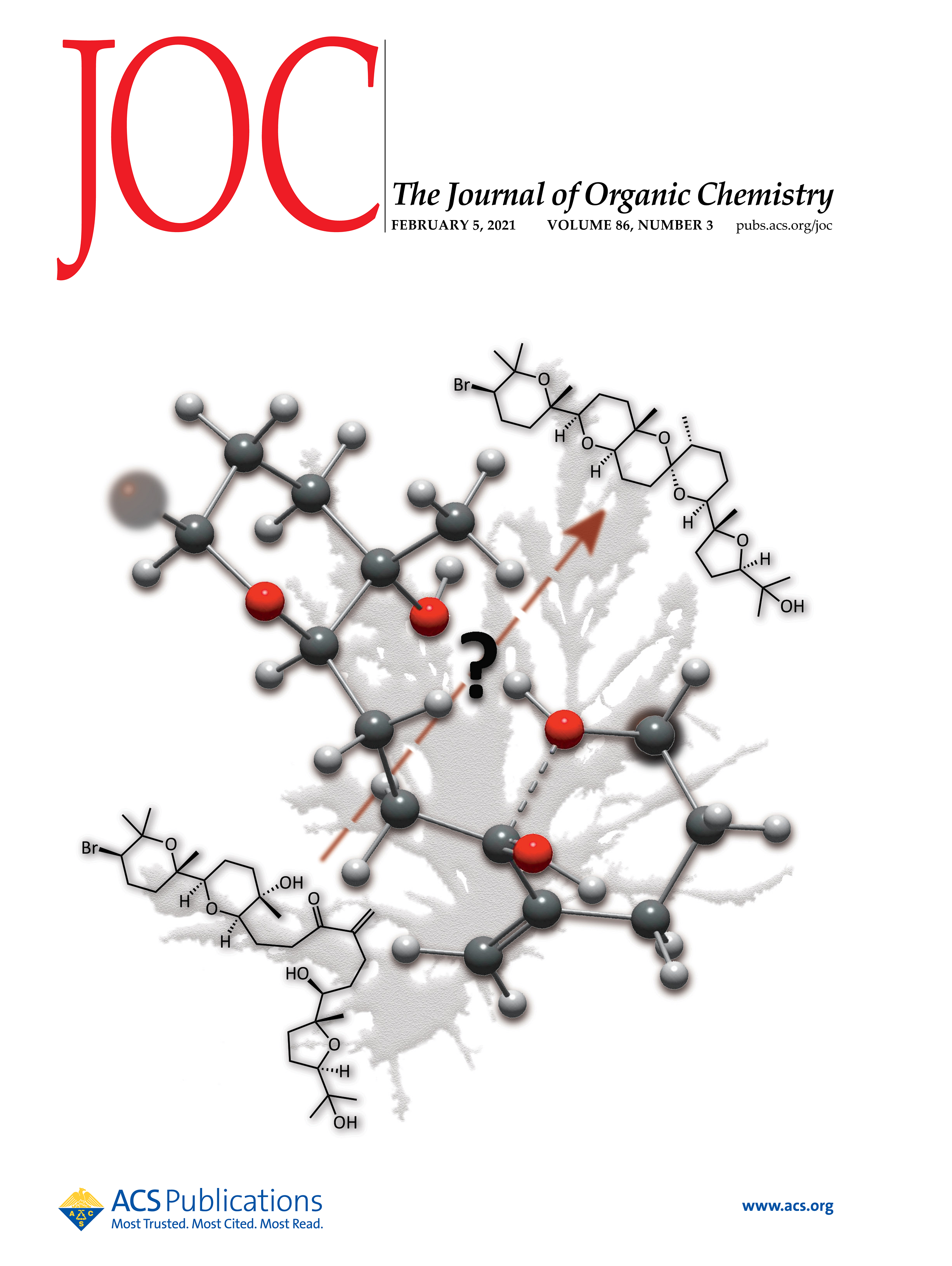
A set of biogenetically interesting polyhalogenated acetogenins from Ptilonia magellanica
Ptilonines A−F, pyranosylmagellanicus D−E and magellenediol are previously undescribed acetogenins isolated from the red alga Ptilonia magellanica. Their structures were determined from spectroscopic evidence. The absolute configuration of the known pyranosylmagellanicus A, was established by derivatization with (R)− and (S)−α−methoxy −α−phenylacetic acids (MPA). Ptilonines exhibit an unusual halogenation pattern, that may confer evolutionary advantages to Ptilonia magellanica, for which a biogenetic origin is proposed. The antimicrobial effect of some of these compounds was evaluated.

Gallardo, Amalia; Cueto, Mercedes; Díaz-Marrero, Ana R. ; Rosa, José M. de la; Fajardo, Víctor; San-Martín, Aurelio,; Darias, José
Isolation, antioxidant and antimicrobial activities of ecdysteroids from serratula cichoracea
[Background] Several Serratula species are used in folk medicine and showed interesting biological activities. The objective of this work was to continue the investigation of the chemical composition of the ethyl acetate extract of the flowers of Serratula cichoracea which in our previous study showed a significant antioxidant activity in 1,1-diphenyl-2-picrylhydrazyl radical (DPPH•) essay compared to quercetin used as control molecule and to evaluate the isolated compounds for their antioxidant and antimicrobial activities, [Methods] Ethyl acetate extract (15 g) was fractionated by column chromatography on silica gel. After purification on preparative plates, the isolated compounds were identified by spectral analyses mainly high resolution electrospray ionisation mass spectrometry (HR-ESIMS) and one-and two-dimensionnal nuclear magnetic resonance spectroscopy experiments, and were evaluated in vitro for antioxidant activity using 1,1-diphenyl-2-picrylhydrazyl radical and for antimicrobial properties, [Results] A new phytoecdysteroid named 22-epi-ajugasterone C (1) together with ajugasterone C (2), were isolated. Compounds 1 and 2 had weak scavenging effect compared with myricetin used as positive control, whereas the two compounds showed antimicrobial properties against multiresistant strains like Staphylococcus aureus, Escherichia coli, Serratia sp., Klebsiella pneumoniae and Candida albicans, [Conclusion] The new isolated phytoecdysteroid and its epimer ajugasterone C, responded to their effectiveness against different various antibiotic-resistant bacteria.
Aliouche, Lamia; Larguet, Habiba; Amrani, Amel; León, Francisco; Brouard, Ignacio; Benayache, Samir; Zama, Djamila; Meraihi, Zahia; Benayache, Fadila
Community structure of woody plants on islands along a bioclimatic gradient
Understanding patterns of community structure and the causes for their variation can be furthered by comparative biogeographic analyses of island biotas. We used woody plant data at the local scale to investigate variations in species rarity, alpha, beta, and gamma diversity within and between three islands from the oceanic archipelagoes of Azores, Canaries and Mascarene. We used standardized protocols to sample ten 50 m × 50 m forest plots in each of the three islands with contrasting climate and regional species pools: Terceira (Azores), Tenerife (Canaries), and Reunion (Mascarene Islands). Occupancy frequency distributions and species abundance distributions were used to investigate rarity. The partitioning of beta diversity in a distance-decay framework was used to test for spatial patterns of community composition. Rarity was much more pronounced in the highly diverse islands of Tenerife and Reunion than in the regionally poorer island of Terceira. The number of species rose faster with increasing sample area in both Tenerife and Reunion. The slope of the species rank abundance curve was steeper in Terceira whereas the richer island assemblages approached a lognormal model. Compositional changes according to spatial distance were mostly due to replacement of species in Terceira and Reunion. Our results point to important differences in the community structure of Terceira, which is the less diverse and temperate region in comparison to Tenerife and Reunion which are highly diverse.

Borges, Paulo A. V.; Cardoso, Pedro; Fattorini, Simone; Rigal, François; Matthews, Thomas J.; Di Biase, Letizia; Amorim, Isabel R.; Florencio, Margarita; Borda de Água, Luis; Rego, Carla; Pereira, Fernando; Nunes, Rui; Carvalho, Rui; Ferreira, María Teresa; López, Heriberto; Pérez Delgado, Antonio J.; Otto, Rüdiger; Fernández Lugo, Silvia; Nascimento Reyes, Lea de; Caujapé-Castells, Juli; Casquet, Juliane; Danflous, Samuel; Fournel, Jacques; Sadeyen, Anne-Marie; Elias, Rui B.; Fernández-Palacios, José María; Oromí, Pedro; Thébaud, Christophe; Strasberg, Dominique; Emerson, Brent C.
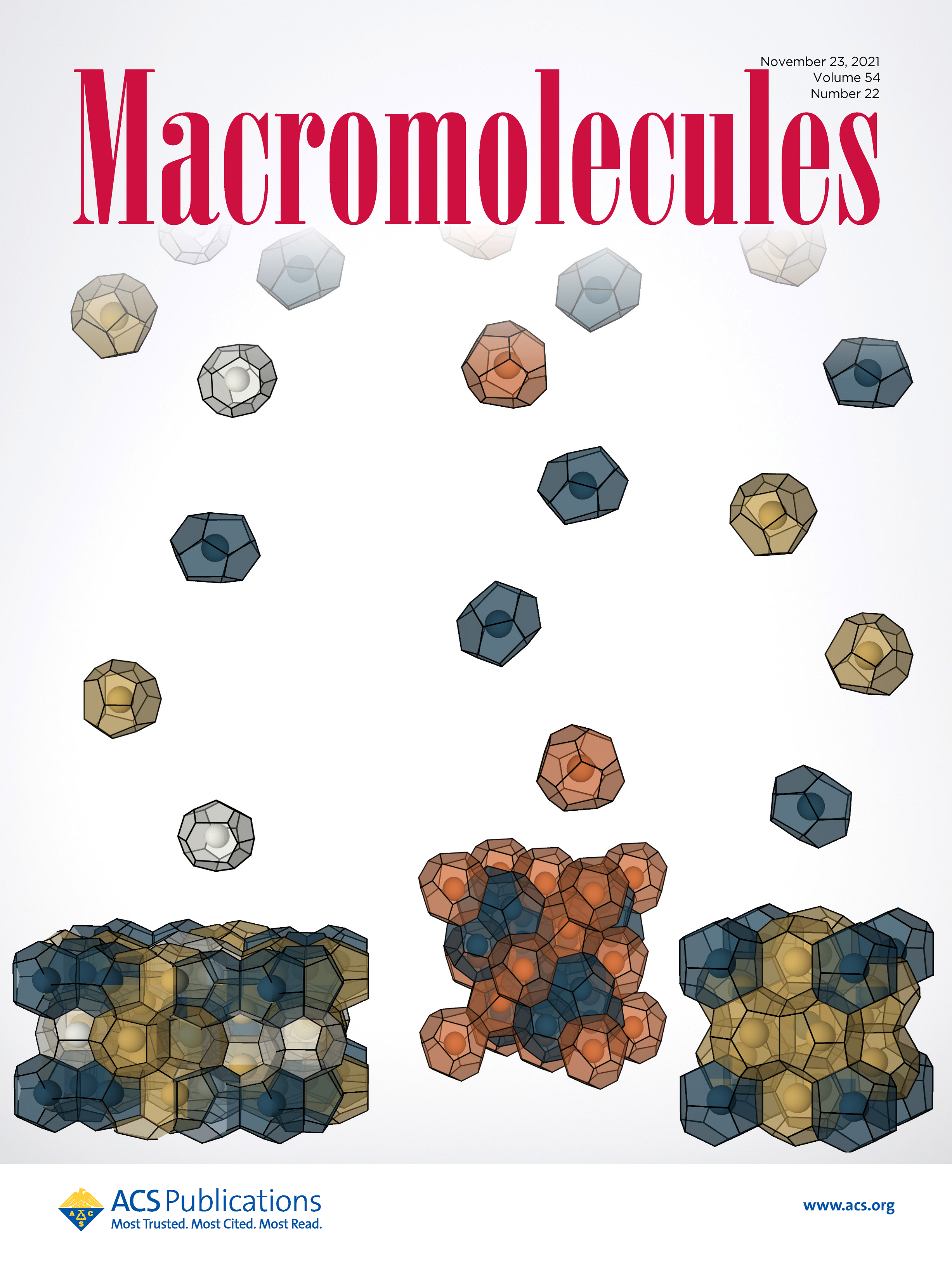
Photon upconversion in supramolecular gels and synthetic application
Self-assembled supramolecular gels have recently emerged as promising confined media for the incorporation of a wide range of donor–acceptor chromophoric assemblies, allowing highly efficient photon upconversion processes at weak solar irradiance even under aerobic conditions in some cases. Supramolecular gels made of dense intermo-lecular interaction networks such as hydrogen bonding have been demonstrated to offer effective protection to the excited species against oxygen quenching. This supramolecular approach is reminiscent to biological photon-harvesting systems and constitutes a new paradigm in photon upconversion research. This minireview summarizes the advances in this approach since its first report a few years ago. The possibility of carrying out photon upconversion in supramolecular gel matrices under aerobic conditions has also enabled to combine this process with a single electron transfer in order to carry out challenged chemical reactions such as the photoreduction of aryl halides in air using visible light. The main aspects of this combined strategy and future perspectives are also discussed.

Díaz, Díaz, David; Saldías, César
A green multicomponent synthesis of tocopherol analogues with antiproliferative activities
A one-pot efficient, practical and eco-friendly synthesis of tocopherol analogues has been developed using water or solvent free conditions via Passerini and Ugi multicomponent reactions. These reactions can be optimized using microwave irradiation or ultrasound as the energy source. Accordingly, a small library of 30 compounds was prepared for biological tests. The evaluation of the antiproliferative activity in the human solid tumor cell lines A549 (lung), HBL-100 (breast), HeLa (cervix), SW1573 (lung), T-47D (breast), and WiDr (colon) provided lead compounds with GI values between 1 and 5 μM. A structure–activity relationship is also discussed. One of the studied compounds comes up as a future candidate for the development of potent tocopherol-mimetic therapeutic agents for cancer.

Ingold, Mariana; Dapueto, Rosina; Sabina, Victoria; Gallisui, Germán; Batthyàny, Carlos; Bollati-Fogolín, Mariela; Tejedor, David; García-Tellado, Fernando; Padrón, José M.; Porcal, Williams; López, Gloria V.
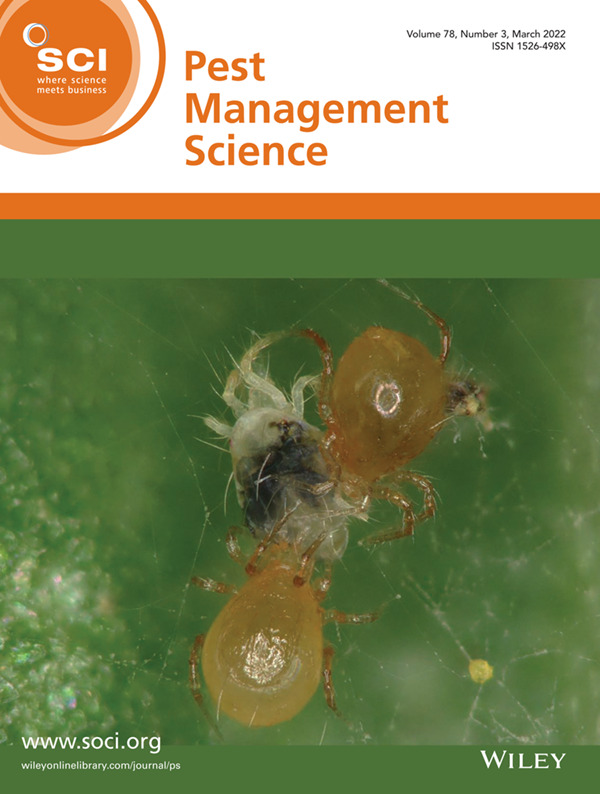
Ixodicidal compounds from pre-domesticated Lavandula luisieri
Several extracts from pre-domesticated Lavandula luisieri (Rozeira) Riv-Mart. (Lamiaceae) (essential oil, EO; hexane, Hx and the organic fraction of the residual hydrolate, WRO) showed larvicidal effects against the hard tick Hyalomma lusitanicum, being WRO the most active. Their content in the necrodane-type monoterpenes (2,2,3,4-tetramethyl-5-oxocyclopent-3-en-1-yl)-methyl acetate (2), 5-hydroxymethyl-2,3,4,4-tetramethylcyclopent-2-en-1-one (1) and 2-(hydroxymethyl)-3,4,4-trimethyl-5-methylenecyclopent-2-en-1-one (5) correlated with these effects. Among the isolated compounds, 3,3,4,5-tetramethyl-2H-pyran-2,6(3H)-dione (7) and (2,2,3,4-tetramethyl-5-oxocyclopent-3-en-1-yl)-methyl acetate (2) were the most potent ones, with activity levels within the range of the positive control thymol. These compounds represent a new class of ixodicidal agents.

Julio, Luis F.; Díaz, Carmen E.; Aissani, Nadhem; Valcárcel, Félix; Olmeda García, Ángeles Sonia; González-Coloma, Azucena; Burillo Alquézar, Jesús.