Image

Instituto de Productos Naturales y Agrobiología
This study provides a pioneering analysis of the structural and topological characteristics of one of nature's simplest food webs, using the Montaña Clara islet (Canary Islands) as a case study. Applying a multilayer network approach, which assesses multiple interaction types, we examined plant–animal and plant-fungi interactions during two seasons (humid and dry), comparing this oceanic island food web to one from Na Redona, a small continental island in the Balearic Islands. Data were collected through field observations, flower visitation records, fecal analysis, and DNA metabarcoding of root-associated fungi. The study identified 63 animal species and 367 fungal amplicon sequence variants interacting with 13 plant species, five of which (38%) were structurally significant, as indicated by high multilayer versatility values (>0.5). The network structure was modular, with 23 modules primarily representing single ecological functions, and most species were involved in only one interaction type. Notably, 73% of species shifted roles between interaction layers. Results reveal that Montaña Clara's food web is simpler but more modular and versatile than that of the continental island, aligning with island biogeography theory. The study suggests that the unique biodiversity composition of oceanic islands, particularly islets, influences their ecological network structures.
Nogales, Manuel; Traveset, Anna; López, Heriberto; Heleno, Rubén; Rodríguez-Echeverría, Susana; García, Rafael; Hervías-Parejo, Sandra.
Cathelicidins are a family of proteins from which a class of Host Defence Peptides (HDPs) is derived. They are components of the innate immune system of most vertebrates, including birds. Despite their promising activities, the genomic organisation and interspecies diversity of avian cathelicidins has been less studied than in other animal groups. In this research, we investigated the cathelicidin cluster in 72 avian species from 26 different orders by mining the avian genome assemblies available in NCBI database, using bioinformatics tools to analyse the cluster composition, gene structure and phylogenetic relationships. Cathelicidin clusters were found principally on chromosomes 1 and 2, usually located at the ends of the chromosomes, except in Falconiformes and Psittaciformes. The Galloanserae cluster diverged from the rest of avian groups by having cath1 in the Galliformes and a putative pseudogene of cathB1 in Anseriformes. In contrast, the remaining avian species displayed a predominantly cathelicidin cluster comprising cathB1, cath3, and cath2. However, Passeriformes lacked cath3 while Falconiformes exhibited the pseudogenisation of cath3. In addition, we found kelch like family member 18 and transforming growth factor beta 4 (zinc finger protein 777 in Passeriformes) as flanking genes. We identified 190 putative cathelicidins genes, of which 103 were undescribed, that displayed a high percentage of identity across cathelicidin type. Phylogenetic analysis revealed that cathelicidin genes are highly conserved supporting the hypothesis that cathelicidins play a crucial role in avian immunity. This work highlights the use of bioinformatic tools to improve our understanding of avian cathelicidins and the evolution of this important family protein.
González-Acosta, Sergio; Baca-González, Victoria; Asensio-Calavia, Patricia; Otazo-Pérez, Andrea; López, Manuel R.; Morales-delaNuez, Antonio; Pérez de Lastra, José Manuel.
This paper explores the development of Spanish wine legislation between 1860 and 1932, focusing on the concept of fictio juris, a legal fiction that defines wine as a product derived solely from grape fermentation while permitting additives that alter its composition. The period covers Spain’s transformation from legitimizing artificial wines to their prohibition, then moving towards more nuanced debates about permissible additives. By analyzing legal texts and debates from the period, the paper reveals how laws surrounding wine production reflected broader tensions between industrialization, tradition, and public health. The fictio juris created a paradox in which industrial winemaking practices coexisted with the legal definition of wine as ‘natural,’ embodying the malleability of legal categories in shaping cultural and economic imperatives. This legal fiction continues to influence contemporary wine laws and debates around authenticity in the natural wine movement. The paper contributes to a deeper understanding of how legal frameworks in food production mediate between cultural values, economic interests, and the quest for authenticity.
Alonso-González, Pablo.
This review targets archaeological scientists and geoarchaeologists, examining the current state of lipid biomarker analysis in archaeological sediments—a growing field. Lipid compounds and their stable isotope ratios serve as valuable proxies for reconstructing past climates, vegetation, freshwater availability, human-environment interactions, diet, technology, and subsistence practices. The paper reviews experimental, archaeological, and ethnoarchaeological studies that apply lipid biomarkers to archaeological sedimentary deposits, contributing to paleoenvironmental research and insights into past human behavior. Key topics include fecal biomarkers, revealing diet and subsistence, and pyrogenic biomarkers, shedding light on fire technology and cooking traditions. Methodological guidelines are provided, covering sample collection, lipid extraction, pretreatment, and compound detection. Challenges include standardizing protocols, integrating new biomarkers, microcontextual approaches, and adopting advanced analytical techniques. Advancing lipid biomarker analysis promises to enhance interdisciplinary research and deepen our understanding of archaeological contexts and human-environment dynamics.
Mallol, Carolina; Égüez, Natalia; Jambrina-Enríquez, Margarita; Herrera-Herrera, Antonio V.
Interest in natural biopreservatives has increased significantly due to growing consumer demand for safer and more environmentally friendly food preservation strategies. Antimicrobial peptides (AMPs), naturally occurring molecules (typically <10 kDa), have emerged as a promising alternative to synthetic chemical preservatives. Found in bacteria, fungi, plants, and animals, including humans, AMPs play a crucial role in innate immune defense. Their antibacterial and antioxidant effects enable them to prevent microbial spoilage and extend the shelf life of food, reducing the need for artificial additives. AMPs are biodegradable and environmentally friendly, and they specifically target harmful microorganisms, minimizing disruption to beneficial microorganisms. Despite their promising properties, challenges such as stability, cost and potential sensory impairment limit their wide application. Recent advances, such as encapsulation techniques and nanotechnology, have shown remarkable potential to improve the stability and functionality of AMPs in complex food systems. In addition, AMPs derived from edible mushrooms represent a sustainable and natural approach to food preservation and could offer effective solutions against foodborne pathogens and oxidative spoilage. This review examines the structural features, mechanisms of action and practical applications of AMPs in food protection, with a particular focus on their innovative integration with nanotechnology to address current food safety challenges.
Pérez de Lastra, José Manuel ; González-Acosta, Sergio; Otazo-Pérez, Andrea; Asensio-Calavia, Patricia; Rodríguez Borges, Víctor.
This paper explores consumer profiles and preferences for organic food on the island of Tenerife (Canary Islands, Spain). With a growing demand for organic products driven by health-consciousness and environmental concerns, understanding the factors that influence consumer behavior in this market is crucial. This study analyzes socio-demographic characteristics and market trends to uncover the motivations behind the demand for organic food through a survey of shoppers in stores selling certified organic products. By examining consumer awareness, perceived benefits, willingness to pay premium prices, proximity consumption patterns, and meat consumption, valuable insights are gained. Findings reveal that organic purchase habits and consumer profiles mostly align with the overall Spanish profile. A specific category of consumers who claim to follow a Mediterranean diet are identified as “switchers” who oscillate between organic and conventional produce without ideological and ethical commitment. Consumers clearly differentiate between the kinds of products they prefer to buy with organic or proximity attributes. Organic meat consumption correlates with a higher income and willingness to pay for it. By identifying distinct consumer profiles within the organic food market, this study provides actionable recommendations for businesses and policymakers to tailor their strategies and foster the growth of the organic food sector.
Alonso-González, Pablo; Extremo Martín, Celia; Otero Enríquez, Raimundo; de la Cruz Modino, Raquel; Arocha Alonso, Francisco Nauzet; González Rodríguez, Samara; Parga-Dans, Eva.
Rising antifungal resistance prompted the World Health Organization and the Food and Agriculture Organization to bring attention to the consequences of this threat to human, animal, and environmental health, and food security. In addition, there is an alarming cross-species pathogenicity. New antifungal agents are urgently needed, preferably with a low induction of antimicrobial resistance (AMR). Among the most promising novel antimicrobials are the host-defense peptides, which present potent anti-infective properties and elicit low or negligible AMR. The rapid creation of libraries of host-defense peptides is highlighted by the synthesis of analogs of the immunomodulator and antimicrobial peptide rigin. Starting from smaller fragments incorporating hydroxyproline customizable units, which can be selectively cleaved and modified to give different lateral chains and N-substituents, two fragment libraries were built. Then the fragments were combined to give a library of rigin analogs, some of which displayed a potent antifungal activity not observed in the natural peptide. Surprisingly, the most active ones were N-substituted and lateral-chain protected analogs, while the free cationic peptides displayed low direct activity. This work shows that the strategy of combining site-selective peptide modification and a combinatorial approach can provide peptide-diverse libraries, where unexpected drug leads may be identified.
Porras, Marina; Hernández, Dácil; Boto, Alicia.
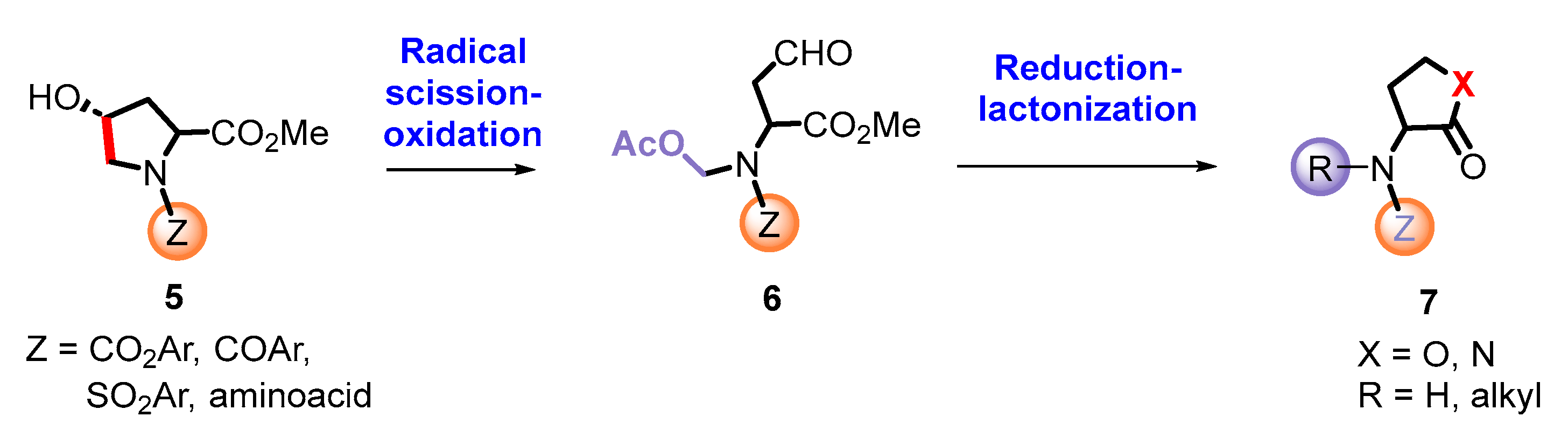
Quorum quenchers are emerging as an alternative to conventional antimicrobials, since they hinder the development of virulence or resistance mechanisms but without killing the microorganisms, thus, reducing the risk of antimicrobial resistance. Many quorum quenchers are analogs of the natural quorum-sensing signaling molecules or autoinducers. Thus, different analogs of natural N-acylhomoserine lactones (AHLs) have been reported for controlling virulence or reducing the production of biofilms in Gram-negative pathogens. Herein we report the preparation of AHL analogs with a variety of N-substituents in just two steps from readily available N-substituted hydroxyproline esters. The substrates underwent an oxidative radical scission of the pyrrolidine ring. The resulting N-substituted β-aminoaldehyde underwent reduction and in situ cyclization to give a variety of homoserine lactones, with N- and N,N-substituted amino derivatives and with high optical purity. The libraries were screened for the inhibition of violacein production in Chromobacterium violaceum, a Gram-negative pathogen. For the first time, N,N-disubstituted AHL analogs were studied. Several N-sulfonyl derivatives, one carbamoyl, and one N-alkyl-N-sulfonyl homoserine lactone displayed a promising inhibitory activity. Moreover, they did not display microbicide action against S. aureus, C. jejuni, S. enterica, P. aeruginosa, and C. albicans, confirming a pure QQ activity. The determination of structure–activity relationships and in silico ADME studies are also reported, which are valuable for the design of next generations QQ agents.
Porras, Marina; Hernández, Dácil; Boto, Alicia.
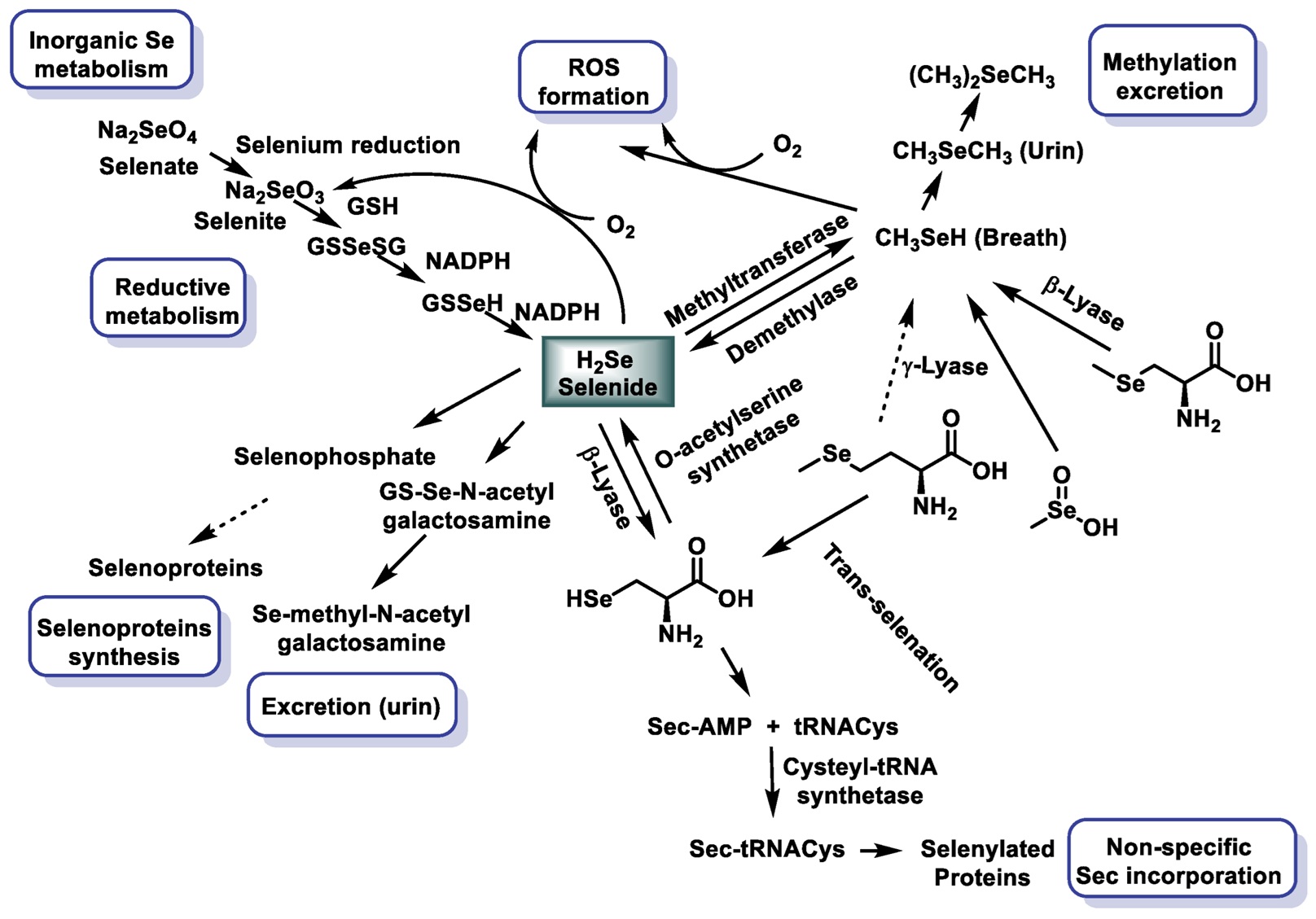
Selenium (Se) has important anti-inflammatory and antioxidant activities, plays an important role in the immune system through redox balance, and is part of selenoproteins. In patients who are critically ill, Se supplementation causes alterations in inflammatory markers such as procalcitonin, leukocyte count, albumin, prealbumin, C-reactive protein (CRP), inflammatory cytokines, and cholesterol. The decrease in Se levels leads to a reduction in the levels of various selenoenzymes, in particular glutathione peroxidase and selenoprotein P. These antioxidant selenoproteins play a protective role against the lipoperoxidation of cell membranes and also participate in the process of regulating the inflammatory response. Currently, there are no conclusive data that allow us to affirm the existence of a significant reduction in mortality with the use of Se in intensive care. Selenium nanoparticles (SeNPs) can be used as dietary supplements or therapeutic agents due to their low toxicity and better bioavailability compared to traditional Se supplementation. In this review, we focus on the current state of research on SeNPs and their anti-inflammatory and antioxidant properties as a therapy for patients who are seriously ill, without the toxic effects of other Se species.
Curieses Andrés, Celia María; Pérez de Lastra, José Manuel; Bustamante Munguira, Elena; Andrés Juan, Celia; Pérez Lebeña, Eduardo.
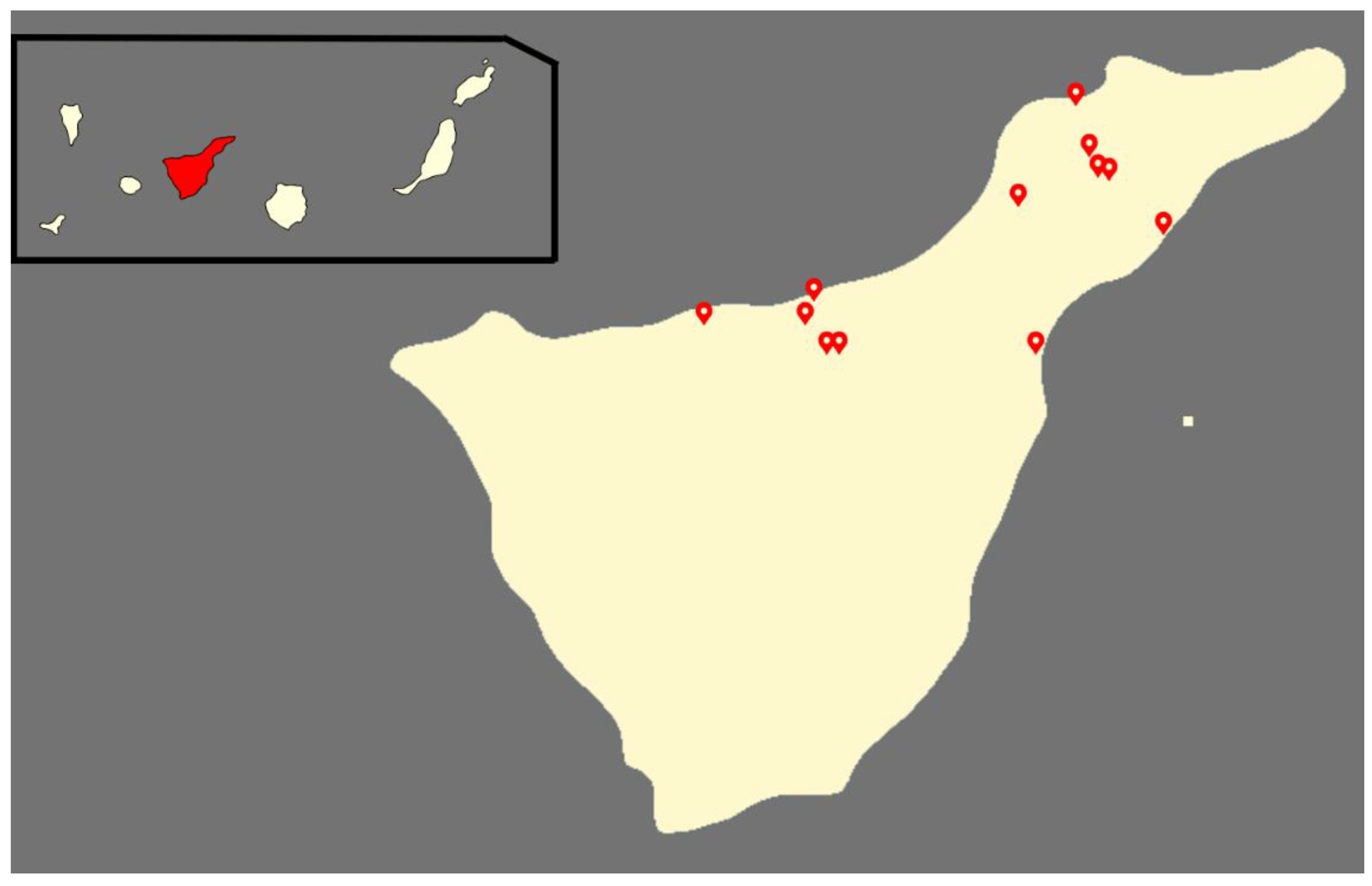
A new species of terrestrial isopod, Porcellio aguerensis Orihuela-Rivero, sp. nov. of the family Porcellionidae (Oniscidea), is described from the laurel forest of Tenerife, Canary Islands. This new species belongs to the Atlantic group (“scaber”) as defined by Vandel due to the structure of the male pleopod 1 and its “primitive” glandular system. Some diagnostic characters that allow it to be differentiated from other species are revealed, such as (i) the smooth dorsal surface, (ii) the sinuosity of the posterior margin of the first pereonites, (iii) the configuration of the glandular system, and (iv) the structure of the male pleopod 1 exopod. The affinity of Porcellio aguerensis Orihuela-Rivero, sp. nov. with the morphologically closest members of the genus is discussed, both with continental and insular species, hypothesizing a relationship between the Canarian species of Porcellio and the “primitive” continental lineages of the genus. A key of the Porcellio species occurring in Tenerife is included. The conservation of Porcellio aguerensis Orihuela-Rivero, sp. nov. within a scenario of increasing dominance of invasive species is discussed.
Orihuela-Rivero, Raúl; Balibrea, Carmen; Noguerales, Víctor; López, Heriberto; Oromí, Pedro.