Image

Instituto de Productos Naturales y Agrobiología
Natural products from bryophytes represent an underexplored source of structurally diverse bioactive compounds. In this study, extracts of Isotachis serrulata collected in southern Ecuador were evaluated for antiproliferative activity against five human tumor cell lines. Sequential extraction and chromatographic fractionation yielded six fractions, among which fraction IsF5 displayed the most notable activity, particularly against lung (SW1573) and breast (T-47D) cancer cell lines, with GI50 values within the moderate activity range according to National Cancer Institute criteria. Phytochemical investigation of IsF5 revealed the presence of two glycosylated aromatic constituents, tentatively assigned as tachioside and isotachioside, based on comparative 1H and 13C NMR spectroscopic analysis. These compounds were obtained as a mixture and were not evaluated individually due to limited material. Additionally, species distribution modeling using MaxEnt indicated that I. serrulata is primarily associated with humid montane and páramo ecosystems in the southern, central and northern Andes of Ecuador, where elevation and precipitation variables strongly influence its distribution. This study provides the first integrated assessment of the antiproliferative activity, chemical profiling, and ecological distribution of I. serrulata.
Andrade, José Miguel; Benítez, Ángel; González-Bakker, Aday; Cartuche, Luis; Padrón, José M.; Díaz-Marrero, Ana Raquel; Fernández, José J.
Chagas disease, caused by the protozoan Trypanosoma cruzi, remains a serious public health concern, particularly in Latin America, due to its high prevalence and the limited efficacy and safety of current treatments. To identify new potential therapeutic options, a library of 40 synthetic indole derivatives was screened for antiparasitic activity. The compounds were tested against both epimastigote and intracellular amastigote forms of T. cruzi using in vitro assays. While most of the molecules showed low or no activity, ten compounds exhibited promising effects with IC₅₀ values below 200 μM. The most active derivatives were further evaluated for cytotoxicity on mammalian cells. Among them, the compound I – 7b stood out with a selectivity index of 19.8 and was selected for further characterization. Subsequent assays revealed that this compound induced several cellular effects in the parasite, including ATP depletion, chromatin condensation, plasma membrane damage, reactive oxygen species (ROS) accumulation, and disruption of mitochondrial membrane potential (ΔΨm). These findings suggest that certain indole-based compounds may serve as promising scaffolds for the development of novel therapies against T. cruzi, contributing to the advancement of global health efforts targeting neglected tropical diseases.
C. J. Bethencourt-Estrella, A. López-Arencibia, R. Diana-Rivero, I. Sifaoui, I. M. Calero-Docina, D. Tejedor, J. Lorenzo Morales, J. E. Piñero
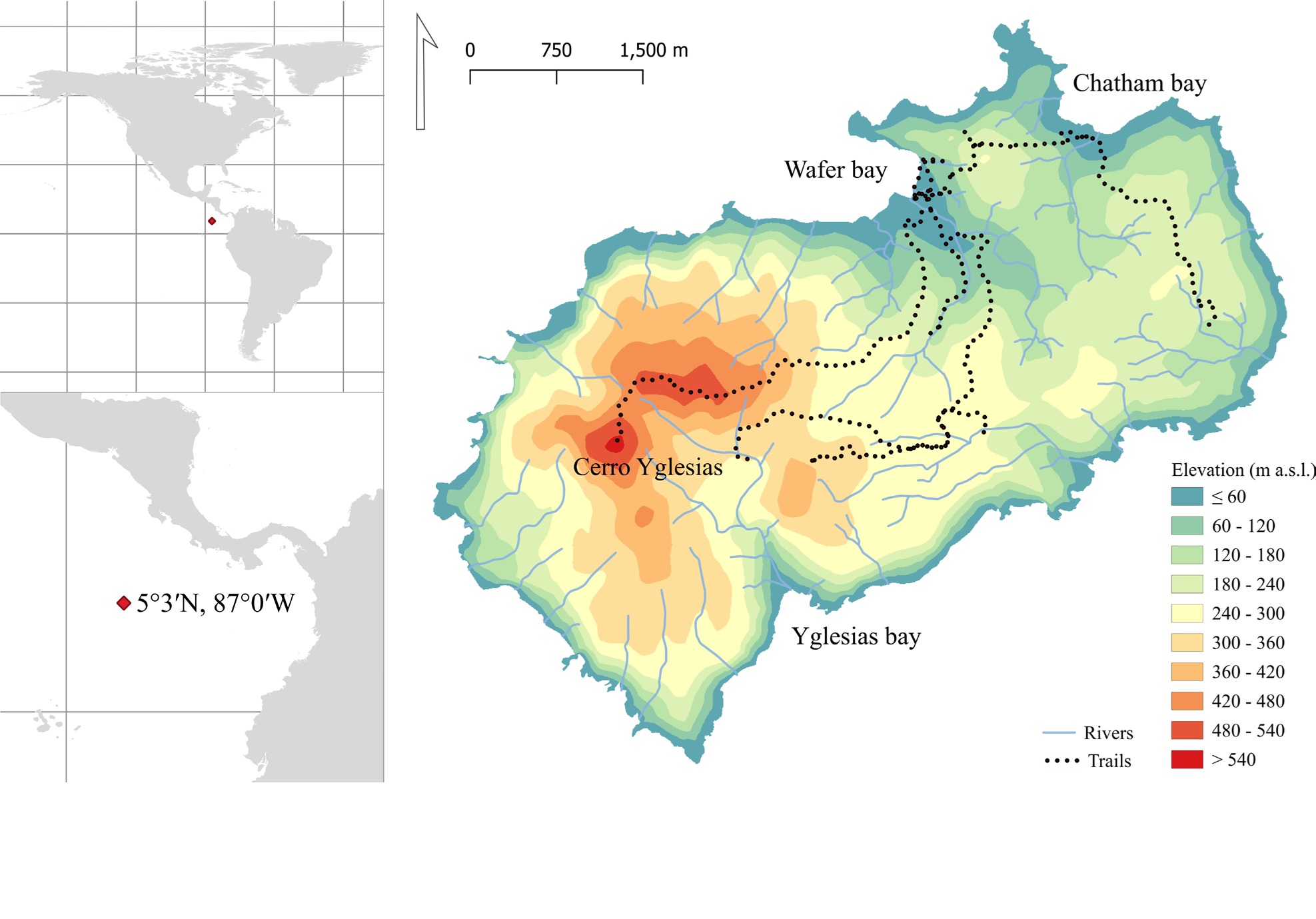
Invasive alien species are one of the most severe threats to island biodiversity. An essential first step in addressing this issue is producing comprehensive inventories of alien species inhabiting them. However, cataloguing alien floras on remote islands is particularly challenging. Botanical surveys are often conducted only after substantial human-driven impacts on local ecosystems, including the introduction of invasive species, have already occurred. This raises the key question of how species’ native origin should be determined on islands with such a recent history of botanical documentation. Site-based methodologies offer a practical, replicable and context-sensitive approach to addressing these challenging knowledge gaps. Here, we present a comprehensive catalogue of the alien spermatophyte flora of Isla del Coco, an eastern Pacific island located approximately 500 km off the Central American mainland and facing the aforementioned challenges. Among the main contributions of this study, we apply an expert-based binary decision tree to classify the wild flora as native, wild alien, or cryptogenic, along with a separate inventory of cultivated species. Our classification system allowed us to identify 89 wild alien species (45.2% of the island’s total wild flora), 78 native species (39.6%), and 30 cryptogenic (15.2%). The naturalised-to-native ratio (0.5) suggests that the island remains highly susceptible to biological invasions. The profile of the alien flora closely resembles that of mainland Central America, with a predominance of unintentionally introduced species, underscoring the need for strict biosecurity measures at landing points. The methodology employed also indicates that site-based approaches may apply stricter criteria for defining native species than previous studies, thereby highlighting new research needs for Isla del Coco, such as clarifying the status of cryptogenic species and investigating the largely unexplored impacts of invasive alien plants.
Orbea, Beñat; Vega Vargas, Luis Carlos; Patiño, Jairo; Campos, Juan Antonio; Acosta-Vargas, Luis Guillermo; Nualart, Neus; Madriz-Masis, Pablo; López-Pujol, Jordi.
Cellular redox biology is governed less by bulk oxidant load than by the coupled behaviour of ROS, RNS, and RSS within spatially restricted microdomains. Within these niches, redox information is written, edited, and erased through competing post-translational modifications, including sulphenylation (-SOH), S-nitrosylation (-SNO), and persulphidation (-SSH). Local proximity to sources such as mitochondria, NOX, and NOS platforms combines with buffering by SOD and peroxidases to shape which routes dominate. Editing by thioredoxin, glutaredoxin, and GSNOR, together with sulphane sulphur flux from trans-sulphuration enzymes and mitochondrial sulphide oxidation, sets the boundary between reversible redox eustress and pathological distress dominated by peroxynitrite chemistry and irreversible oxidation. Using a compartment-aware analytical template across cardiometabolic disease, neurodegeneration, cancer, chronic inflammation, ageing, and innate immunity, we identify recurring mechanistic patterns and explain why global biomarkers can mislead. We then propose context-matched biomarker panels and therapeutic levers, with antimicrobial peptides emerging as redox-modulated effectors of innate defence within this framework. Finally, we outline precision redox pharmacology that raises local distress thresholds without flattening physiological signalling, and we propose a trial-ready agenda centred on compartment-resolved pharmacodynamic anchors.
Pérez de la Lastra, José Manuel; Curieses Andrés, Celia María; Bustamante Munguira, Elena; Andrés Juan, Celia; Pérez-Lebeña, Eduardo.
Acanthamoeba infections are hindered by limitations including prolonged treatment duration, cytotoxicity, limited efficacy against the resistant cystic stage, and a high rate of recurrence. Antimicrobial peptides (AMPs) demonstrate broad-spectrum antimicrobial activity, rapid mechanism of action, low potential for inducing resistance, and efficacy against both trophozoite and cyst forms, highlighting their potential as promising alternatives in the treatment of these infections. Herein, we report the amoebicidal activity of various peptides derived from cathelicidins and piscidins against Acanthamoeba castellanii Neff. Afterwards, the impact of the most effective peptide on the clinical features of a clinical strain of Acanthamoeba castellanii was evaluated using a fluorescence imaging system. Peptide OH_KR34 was the most active against A. castellanii Neff with an IC₅₀ values of 2.00 ± 0.58 µM. OH_KR34 was able to inhibit the clinical strain of A. castellanii (L10) with an IC50 of 5.75 ± 0.30 μM. We demonstrated that the peptide OH_KR34 (related to OH-CATH) induces cytoskeletal damage and trigger apoptosis-like process by disrupting cell membrane permeability, mitochondrial dysfunction and DNA fragmentation. This antimicrobial peptide could therefore offer a potential target to develop new anti-parasitic drugs.
Sifaoui, Ines; Rodríguez-Expósito, Rubén L.; Reyes-Batlle, María; Asensio-Calavia, Patricia; Otazo-Pérez, Andrea; Pérez de la Lastra, José M.; Piñero, José E.
Khirigsuurs are Late Bronze Age monuments found across Mongolia. Although mostly interpreted as mortuary structures, there is broad agreement that khirigsuurs also served as settings for communal rituals and seasonal gatherings. A key feature is the selective deposition of horse remains, mainly skulls, neck vertebrae, and hooves, while meaty axial and long bones are absent. This study investigates whether large-scale butchering and feasting took place at or near khirigsuurs through soil phosphate analysis and shovel testing at two sites in Züünkhangai, Mongolia. Results show no significant phosphate enrichment or bone concentrations, suggesting that intensive butchering did not occur at these sites. Archaeological, ethnographic, and historical sources suggest that butchering occurred off-site, with portions of the animals brought to khirigsuurs for ceremonial use. This practice, common in pastoralist societies, likely accounts for the absence of large bones at the monuments. Further research into off-site butchering and discard locations is needed to better understand the ritual practices and animal treatment associated with khirigsuurs.
Houle, Jean-Luc; Pleuger-Dreibrodt, Sarah; Égüez, Natalia; Conesa, Francesc C.; Cannon, Tyler; Bayarsaikhan, Jamsranjav.
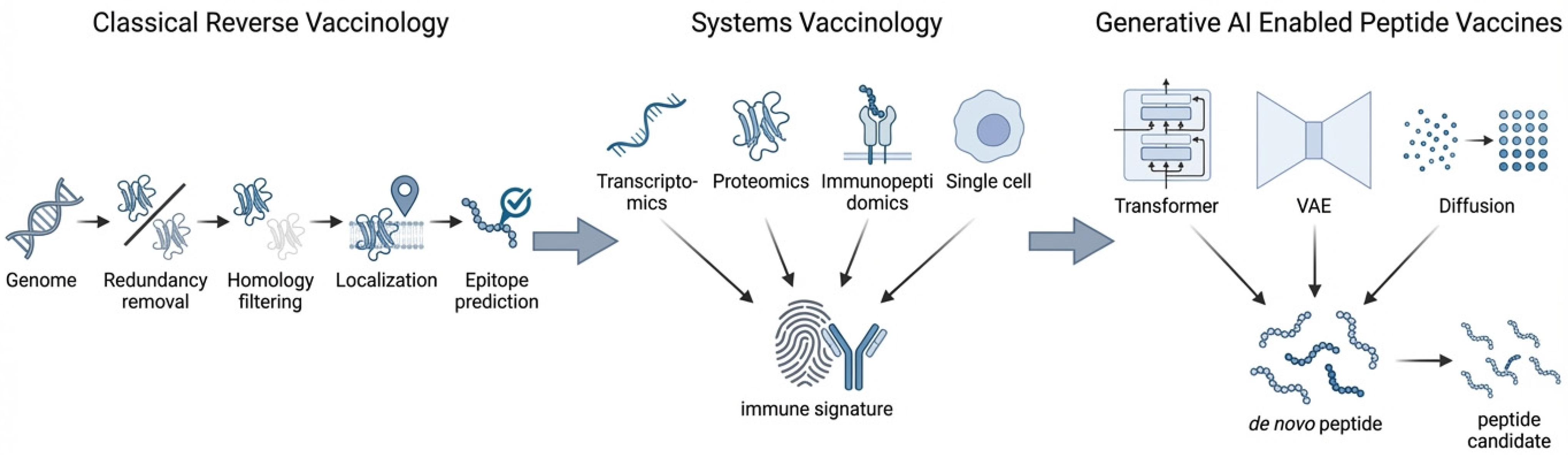
Peptide-based vaccines offer a modular and readily manufacturable platform for both prophylactic and therapeutic immunization. However, their broader translation has been constrained by the limited capacity to predict protective immunity directly from sequence-level features. Recent advances in systems vaccinology and high-throughput immune profiling have substantially expanded the experimental evidence, while generative artificial intelligence now enables de novo design of peptide immunogens and multi-epitope antigens under precisely controlled constraints. This review approaches how these complementary developments are transforming peptide vaccine research, moving beyond classical reverse vaccinology and conventional epitope prediction toward integrated, data-driven design frameworks. We discuss key generative model architectures and conditioning strategies aligned with vaccine objectives, including approaches that account for structural presentation, antigen processing and population-level human leukocyte antigen (HLA) diversity. Central to this perspective is the requirement for rigorous experimental validation and for strengthening the computational–experimental feedback loop through iterative in vitro and in vivo testing informed by systems-level immune readouts. We highlight representative applications spanning infectious diseases, cancer immunotherapy and vector-borne vaccinology, and we outline major technical and translational challenges that must be addressed to enable robust real-world deployment. Finally, we propose future directions for precision peptide vaccinology, emphasizing standardized functional benchmarks, the development of richer curated datasets linking sequence space to immune outcomes, and the early incorporation of formulation and delivery constraints into generative design pipelines.
Pérez de la Lastra, José Manuel; Sobrino, Isidro; Rodríguez Borges, Víctor; Fuente, José de la.
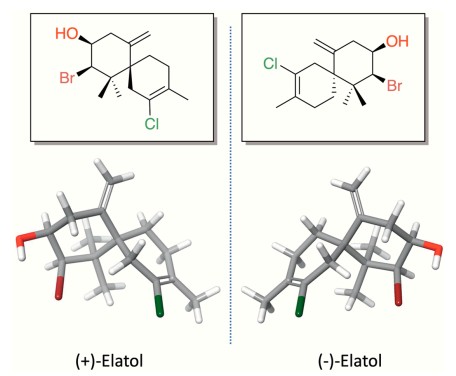
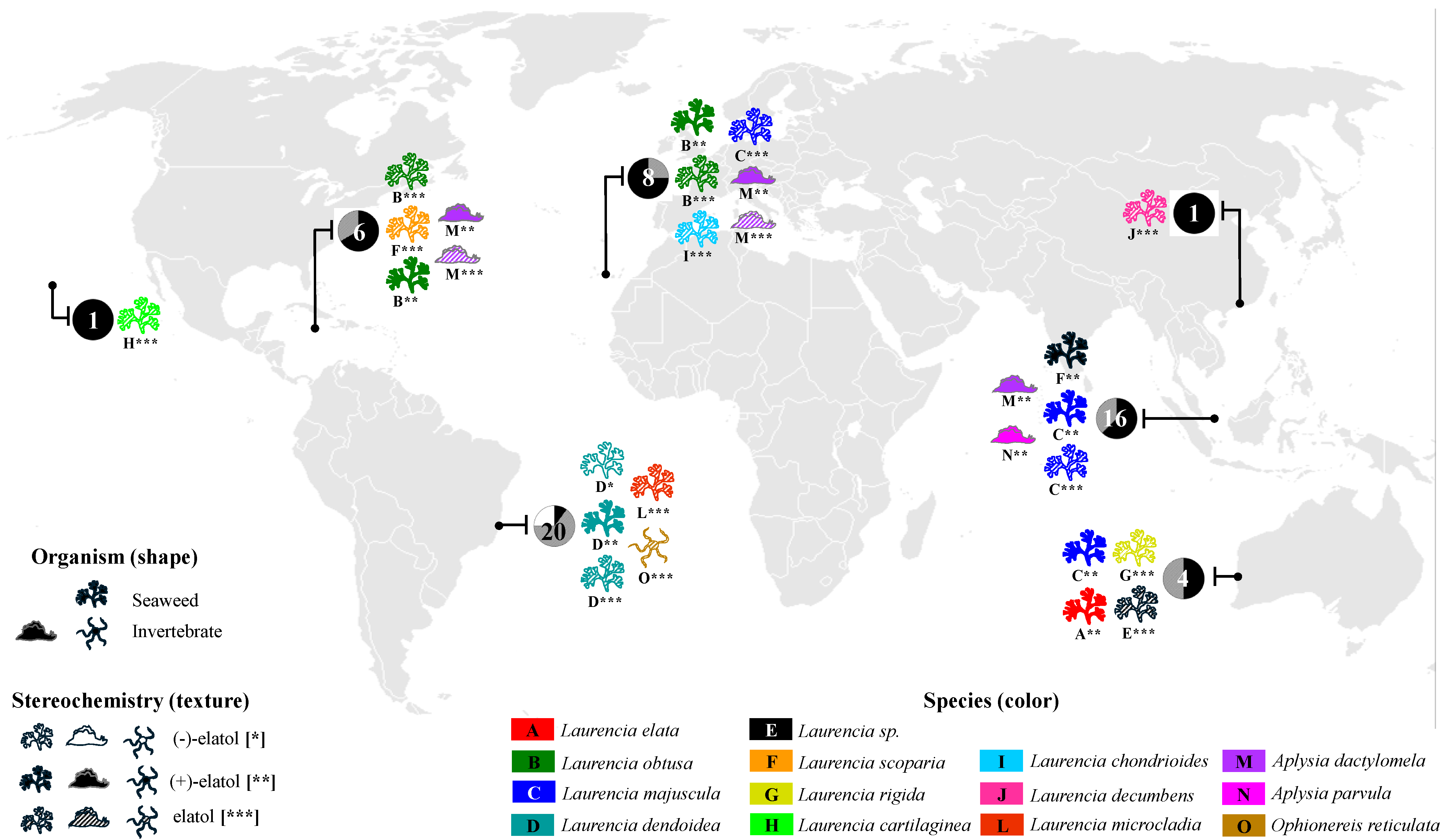
The concept of “Smart Secondary Metabolites” is introduced here to describe a privileged class of natural products defined by structural originality, biosynthetic adaptability, and broad interaction potential with biological systems. Elatol, a halogenated sesquiterpene chiefly produced by Laurencia red seaweeds and occasionally accumulated by their consumers, exemplifies this concept with remarkable clarity. Its biosynthesis unfolds from farnesyl diphosphate via γ-bisabolane cations, bromochlorination, and stereoselective cyclization to chamigrene scaffolds, generating both (+)- and (–)-enantiomers, two metabolites with clearly distinct potential ecological roles and pharmacological profiles. This review synthesizes the current state of knowledge on elatol’s distribution, biosynthetic origins, ecological relevance, and therapeutic potential. Elatol serves as a multifunctional chemical mediator, fulfilling defensive, communicative, and regulatory roles whose intensity shifts in response to herbivory, biofouling, temperature, and salinity. In parallel, its potent activities against infectious, metabolic, and neoplastic diseases highlight its growing value as a drug lead, reflected in a rising number of patent claims. Altogether, elatol emerges as a model Smart Secondary Metabolite whose ecological sophistication and biochemical versatility position it as a promising scaffold for marine-derived drug discovery.
Soares, Angélica; Nocchi, Nathalia; Díaz-Marrero, Ana Raquel; Pereira, Renato C.; Fernández, José J.
Cathelicidins, a diverse family of host defence peptides (HDPs) in vertebrates, are recognized for their potential in combating resistant microorganisms and their varied biological functions. While extensive studies have focused on mammalian cathelicidins, those in reptiles remain largely unexplored. In this study, we conducted a genome mining analysis that identified 287 cathelicidin genes across reptilian orders Testudines and Squamata. Of these genes, we identified 219 complete cathelicidin protein sequences and 68 cathelicidin-like gene copies that appear to be pseudogenes or gene fragments lacking intact open reading frames. We established for the first time a classification for reptile cathelicidins of the cited orders based on their sequence and structure, observing six types for Testudines and six for Squamata, suggesting a common ancestral lineage. Furthermore, we investigated the genomic arrangement of these cathelicidin genes, uncovering that they are grouped into clusters with variability in the gene number and in their organization. Cathelicidin derived mature peptides were classified into nine groups based on their sequences and physicochemical properties. This comprehensive study enhances the understanding of the cathelicidin family in reptiles, clarifying their genomic organization and describing the different types present. These classifications pave the way for future studies on the functions and specialization of each identified cathelicidin group. Moreover, they enable potential structure-activity studies of the peptides, establishing a foundation for differentiating their key features.
Otazo-Pérez, Andrea; López, Manuel; González-Acosta, Sergio; Morales-delaNuez, Antonio; Pérez de la Lastra, José Manuel.